Get trending papers in your email inbox once a day!
Get trending papers in your email inbox!
Subscribe

EvoAgentX: An Automated Framework for Evolving Agentic Workflows
Multi-agent systems (MAS) have emerged as a powerful paradigm for orchestrating large language models (LLMs) and specialized tools to collaboratively address complex tasks. However, existing MAS frameworks often require manual workflow configuration and lack native support for dynamic evolution and performance optimization. In addition, many MAS optimization algorithms are not integrated into a unified framework. In this paper, we present EvoAgentX, an open-source platform that automates the generation, execution, and evolutionary optimization of multi-agent workflows. EvoAgentX employs a modular architecture consisting of five core layers: the basic components, agent, workflow, evolving, and evaluation layers. Specifically, within the evolving layer, EvoAgentX integrates three MAS optimization algorithms, TextGrad, AFlow, and MIPRO, to iteratively refine agent prompts, tool configurations, and workflow topologies. We evaluate EvoAgentX on HotPotQA, MBPP, and MATH for multi-hop reasoning, code generation, and mathematical problem solving, respectively, and further assess it on real-world tasks using GAIA. Experimental results show that EvoAgentX consistently achieves significant performance improvements, including a 7.44% increase in HotPotQA F1, a 10.00% improvement in MBPP pass@1, a 10.00% gain in MATH solve accuracy, and an overall accuracy improvement of up to 20.00% on GAIA. The source code is available at: https://github.com/EvoAgentX/EvoAgentX
ScienceBoard: Evaluating Multimodal Autonomous Agents in Realistic Scientific Workflows
Large Language Models (LLMs) have extended their impact beyond Natural Language Processing, substantially fostering the development of interdisciplinary research. Recently, various LLM-based agents have been developed to assist scientific discovery progress across multiple aspects and domains. Among these, computer-using agents, capable of interacting with operating systems as humans do, are paving the way to automated scientific problem-solving and addressing routines in researchers' workflows. Recognizing the transformative potential of these agents, we introduce ScienceBoard, which encompasses two complementary contributions: (i) a realistic, multi-domain environment featuring dynamic and visually rich scientific workflows with integrated professional software, where agents can autonomously interact via different interfaces to accelerate complex research tasks and experiments; and (ii) a challenging benchmark of 169 high-quality, rigorously validated real-world tasks curated by humans, spanning scientific-discovery workflows in domains such as biochemistry, astronomy, and geoinformatics. Extensive evaluations of agents with state-of-the-art backbones (e.g., GPT-4o, Claude 3.7, UI-TARS) show that, despite some promising results, they still fall short of reliably assisting scientists in complex workflows, achieving only a 15% overall success rate. In-depth analysis further provides valuable insights for addressing current agent limitations and more effective design principles, paving the way to build more capable agents for scientific discovery. Our code, environment, and benchmark are at https://qiushisun.github.io/ScienceBoard-Home/.



Towards Global AI Inclusivity: A Large-Scale Multilingual Terminology Dataset (GIST)
The field of machine translation has achieved significant advancements, yet domain-specific terminology translation, particularly in AI, remains challenging. We introduce GIST, a large-scale multilingual AI terminology dataset containing 5K terms extracted from top AI conference papers spanning 2000 to 2023. The terms are translated into Arabic, Chinese, French, Japanese, and Russian using a hybrid framework that combines LLMs for extraction with human expertise for translation. The dataset's quality is benchmarked against existing resources, demonstrating superior translation accuracy through crowdsourced evaluation. GIST is integrated into translation workflows using post-translation refinement methods that require no retraining, where LLM prompting consistently improves BLEU and COMET scores. A web demonstration on the ACL Anthology platform highlights its practical application, showcasing improved accessibility for non-English speakers. This work aims to address critical gaps in AI terminology resources and fosters global inclusivity and collaboration in AI research.
6 Fingers, 1 Kidney: Natural Adversarial Medical Images Reveal Critical Weaknesses of Vision-Language Models
Vision-language models are increasingly integrated into clinical workflows. However, existing benchmarks primarily assess performance on common anatomical presentations and fail to capture the challenges posed by rare variants. To address this gap, we introduce AdversarialAnatomyBench, the first benchmark comprising naturally occurring rare anatomical variants across diverse imaging modalities and anatomical regions. We call such variants that violate learned priors about "typical" human anatomy natural adversarial anatomy. Benchmarking 22 state-of-the-art VLMs with AdversarialAnatomyBench yielded three key insights. First, when queried with basic medical perception tasks, mean accuracy dropped from 74% on typical to 29% on atypical anatomy. Even the best-performing models, GPT-5, Gemini 2.5 Pro, and Llama 4 Maverick, showed performance drops of 41-51%. Second, model errors closely mirrored expected anatomical biases. Third, neither model scaling nor interventions, including bias-aware prompting and test-time reasoning, resolved these issues. These findings highlight a critical and previously unquantified limitation in current VLM: their poor generalization to rare anatomical presentations. AdversarialAnatomyBench provides a foundation for systematically measuring and mitigating anatomical bias in multimodal medical AI systems.
Adapting Safe-for-Work Classifier for Malaysian Language Text: Enhancing Alignment in LLM-Ops Framework
As large language models (LLMs) become increasingly integrated into operational workflows (LLM-Ops), there is a pressing need for effective guardrails to ensure safe and aligned interactions, including the ability to detect potentially unsafe or inappropriate content across languages. However, existing safe-for-work classifiers are primarily focused on English text. To address this gap for the Malaysian language, we present a novel safe-for-work text classifier tailored specifically for Malaysian language content. By curating and annotating a first-of-its-kind dataset of Malaysian text spanning multiple content categories, we trained a classification model capable of identifying potentially unsafe material using state-of-the-art natural language processing techniques. This work represents an important step in enabling safer interactions and content filtering to mitigate potential risks and ensure responsible deployment of LLMs. To maximize accessibility and promote further research towards enhancing alignment in LLM-Ops for the Malaysian context, the model is publicly released at https://huggingface.co/malaysia-ai/malaysian-sfw-classifier.





TrojanStego: Your Language Model Can Secretly Be A Steganographic Privacy Leaking Agent
As large language models (LLMs) become integrated into sensitive workflows, concerns grow over their potential to leak confidential information. We propose TrojanStego, a novel threat model in which an adversary fine-tunes an LLM to embed sensitive context information into natural-looking outputs via linguistic steganography, without requiring explicit control over inference inputs. We introduce a taxonomy outlining risk factors for compromised LLMs, and use it to evaluate the risk profile of the threat. To implement TrojanStego, we propose a practical encoding scheme based on vocabulary partitioning learnable by LLMs via fine-tuning. Experimental results show that compromised models reliably transmit 32-bit secrets with 87% accuracy on held-out prompts, reaching over 97% accuracy using majority voting across three generations. Further, they maintain high utility, can evade human detection, and preserve coherence. These results highlight a new class of LLM data exfiltration attacks that are passive, covert, practical, and dangerous.
fairseq S2T: Fast Speech-to-Text Modeling with fairseq
We introduce fairseq S2T, a fairseq extension for speech-to-text (S2T) modeling tasks such as end-to-end speech recognition and speech-to-text translation. It follows fairseq's careful design for scalability and extensibility. We provide end-to-end workflows from data pre-processing, model training to offline (online) inference. We implement state-of-the-art RNN-based, Transformer-based as well as Conformer-based models and open-source detailed training recipes. Fairseq's machine translation models and language models can be seamlessly integrated into S2T workflows for multi-task learning or transfer learning. Fairseq S2T documentation and examples are available at https://github.com/pytorch/fairseq/tree/master/examples/speech_to_text.

TextDescriptives: A Python package for calculating a large variety of metrics from text
TextDescriptives is a Python package for calculating a large variety of metrics from text. It is built on top of spaCy and can be easily integrated into existing workflows. The package has already been used for analysing the linguistic stability of clinical texts, creating features for predicting neuropsychiatric conditions, and analysing linguistic goals of primary school students. This paper describes the package and its features.

Can Large Language Models Replace Data Scientists in Clinical Research?
Data science plays a critical role in clinical research, but it requires professionals with expertise in coding and medical data analysis. Large language models (LLMs) have shown great potential in supporting medical tasks and performing well in general coding tests. However, these tests do not assess LLMs' ability to handle data science tasks in medicine, nor do they explore their practical utility in clinical research. To address this, we developed a dataset consisting of 293 real-world data science coding tasks, based on 39 published clinical studies, covering 128 tasks in Python and 165 tasks in R. This dataset simulates realistic clinical research scenarios using patient data. Our findings reveal that cutting-edge LLMs struggle to generate perfect solutions, frequently failing to follow input instructions, understand target data, and adhere to standard analysis practices. Consequently, LLMs are not yet ready to fully automate data science tasks. We benchmarked advanced adaptation methods and found two to be particularly effective: chain-of-thought prompting, which provides a step-by-step plan for data analysis, which led to a 60% improvement in code accuracy; and self-reflection, enabling LLMs to iteratively refine their code, yielding a 38% accuracy improvement. Building on these insights, we developed a platform that integrates LLMs into the data science workflow for medical professionals. In a user study with five medical doctors, we found that while LLMs cannot fully automate coding tasks, they significantly streamline the programming process. We found that 80% of their submitted code solutions were incorporated from LLM-generated code, with up to 96% reuse in some cases. Our analysis highlights the potential of LLMs, when integrated into expert workflows, to enhance data science efficiency in clinical research.
A foundation model for human-AI collaboration in medical literature mining
Systematic literature review is essential for evidence-based medicine, requiring comprehensive analysis of clinical trial publications. However, the application of artificial intelligence (AI) models for medical literature mining has been limited by insufficient training and evaluation across broad therapeutic areas and diverse tasks. Here, we present LEADS, an AI foundation model for study search, screening, and data extraction from medical literature. The model is trained on 633,759 instruction data points in LEADSInstruct, curated from 21,335 systematic reviews, 453,625 clinical trial publications, and 27,015 clinical trial registries. We showed that LEADS demonstrates consistent improvements over four cutting-edge generic large language models (LLMs) on six tasks. Furthermore, LEADS enhances expert workflows by providing supportive references following expert requests, streamlining processes while maintaining high-quality results. A study with 16 clinicians and medical researchers from 14 different institutions revealed that experts collaborating with LEADS achieved a recall of 0.81 compared to 0.77 experts working alone in study selection, with a time savings of 22.6%. In data extraction tasks, experts using LEADS achieved an accuracy of 0.85 versus 0.80 without using LEADS, alongside a 26.9% time savings. These findings highlight the potential of specialized medical literature foundation models to outperform generic models, delivering significant quality and efficiency benefits when integrated into expert workflows for medical literature mining.

Show Me the Work: Fact-Checkers' Requirements for Explainable Automated Fact-Checking
The pervasiveness of large language models and generative AI in online media has amplified the need for effective automated fact-checking to assist fact-checkers in tackling the increasing volume and sophistication of misinformation. The complex nature of fact-checking demands that automated fact-checking systems provide explanations that enable fact-checkers to scrutinise their outputs. However, it is unclear how these explanations should align with the decision-making and reasoning processes of fact-checkers to be effectively integrated into their workflows. Through semi-structured interviews with fact-checking professionals, we bridge this gap by: (i) providing an account of how fact-checkers assess evidence, make decisions, and explain their processes; (ii) examining how fact-checkers use automated tools in practice; and (iii) identifying fact-checker explanation requirements for automated fact-checking tools. The findings show unmet explanation needs and identify important criteria for replicable fact-checking explanations that trace the model's reasoning path, reference specific evidence, and highlight uncertainty and information gaps.


Rethinking Scale: The Efficacy of Fine-Tuned Open-Source LLMs in Large-Scale Reproducible Social Science Research
Large Language Models (LLMs) are distinguished by their architecture, which dictates their parameter size and performance capabilities. Social scientists have increasingly adopted LLMs for text classification tasks, which are difficult to scale with human coders. While very large, closed-source models often deliver superior performance, their use presents significant risks. These include lack of transparency, potential exposure of sensitive data, challenges to replicability, and dependence on proprietary systems. Additionally, their high costs make them impractical for large-scale research projects. In contrast, open-source models, although available in various sizes, may underperform compared to commercial alternatives if used without further fine-tuning. However, open-source models offer distinct advantages: they can be run locally (ensuring data privacy), fine-tuned for specific tasks, shared within the research community, and integrated into reproducible workflows. This study demonstrates that small, fine-tuned open-source LLMs can achieve equal or superior performance to models such as ChatGPT-4. We further explore the relationship between training set size and fine-tuning efficacy in open-source models. Finally, we propose a hybrid workflow that leverages the strengths of both open and closed models, offering a balanced approach to performance, transparency, and reproducibility.
From Autonomous Agents to Integrated Systems, A New Paradigm: Orchestrated Distributed Intelligence
The rapid evolution of artificial intelligence (AI) has ushered in a new era of integrated systems that merge computational prowess with human decision-making. In this paper, we introduce the concept of Orchestrated Distributed Intelligence (ODI), a novel paradigm that reconceptualizes AI not as isolated autonomous agents, but as cohesive, orchestrated networks that work in tandem with human expertise. ODI leverages advanced orchestration layers, multi-loop feedback mechanisms, and a high cognitive density framework to transform static, record-keeping systems into dynamic, action-oriented environments. Through a comprehensive review of multi-agent system literature, recent technological advances, and practical insights from industry forums, we argue that the future of AI lies in integrating distributed intelligence within human-centric workflows. This approach not only enhances operational efficiency and strategic agility but also addresses challenges related to scalability, transparency, and ethical decision-making. Our work outlines key theoretical implications and presents a practical roadmap for future research and enterprise innovation, aiming to pave the way for responsible and adaptive AI systems that drive sustainable innovation in human organizations.
Human-Written vs. AI-Generated Code: A Large-Scale Study of Defects, Vulnerabilities, and Complexity
As AI code assistants become increasingly integrated into software development workflows, understanding how their code compares to human-written programs is critical for ensuring reliability, maintainability, and security. In this paper, we present a large-scale comparison of code authored by human developers and three state-of-the-art LLMs, i.e., ChatGPT, DeepSeek-Coder, and Qwen-Coder, on multiple dimensions of software quality: code defects, security vulnerabilities, and structural complexity. Our evaluation spans over 500k code samples in two widely used languages, Python and Java, classifying defects via Orthogonal Defect Classification and security vulnerabilities using the Common Weakness Enumeration. We find that AI-generated code is generally simpler and more repetitive, yet more prone to unused constructs and hardcoded debugging, while human-written code exhibits greater structural complexity and a higher concentration of maintainability issues. Notably, AI-generated code also contains more high-risk security vulnerabilities. These findings highlight the distinct defect profiles of AI- and human-authored code and underscore the need for specialized quality assurance practices in AI-assisted programming.
Cross-Domain Evaluation of Transformer-Based Vulnerability Detection on Open & Industry Data
Deep learning solutions for vulnerability detection proposed in academic research are not always accessible to developers, and their applicability in industrial settings is rarely addressed. Transferring such technologies from academia to industry presents challenges related to trustworthiness, legacy systems, limited digital literacy, and the gap between academic and industrial expertise. For deep learning in particular, performance and integration into existing workflows are additional concerns. In this work, we first evaluate the performance of CodeBERT for detecting vulnerable functions in industrial and open-source software. We analyse its cross-domain generalisation when fine-tuned on open-source data and tested on industrial data, and vice versa, also exploring strategies for handling class imbalance. Based on these results, we develop AI-DO(Automating vulnerability detection Integration for Developers' Operations), a Continuous Integration-Continuous Deployment (CI/CD)-integrated recommender system that uses fine-tuned CodeBERT to detect and localise vulnerabilities during code review without disrupting workflows. Finally, we assess the tool's perceived usefulness through a survey with the company's IT professionals. Our results show that models trained on industrial data detect vulnerabilities accurately within the same domain but lose performance on open-source code, while a deep learner fine-tuned on open data, with appropriate undersampling techniques, improves the detection of vulnerabilities.

Fabricator: An Open Source Toolkit for Generating Labeled Training Data with Teacher LLMs
Most NLP tasks are modeled as supervised learning and thus require labeled training data to train effective models. However, manually producing such data at sufficient quality and quantity is known to be costly and time-intensive. Current research addresses this bottleneck by exploring a novel paradigm called zero-shot learning via dataset generation. Here, a powerful LLM is prompted with a task description to generate labeled data that can be used to train a downstream NLP model. For instance, an LLM might be prompted to "generate 500 movie reviews with positive overall sentiment, and another 500 with negative sentiment." The generated data could then be used to train a binary sentiment classifier, effectively leveraging an LLM as a teacher to a smaller student model. With this demo, we introduce Fabricator, an open-source Python toolkit for dataset generation. Fabricator implements common dataset generation workflows, supports a wide range of downstream NLP tasks (such as text classification, question answering, and entity recognition), and is integrated with well-known libraries to facilitate quick experimentation. With Fabricator, we aim to support researchers in conducting reproducible dataset generation experiments using LLMs and help practitioners apply this approach to train models for downstream tasks.



AutoClimDS: Climate Data Science Agentic AI -- A Knowledge Graph is All You Need
Climate data science faces persistent barriers stemming from the fragmented nature of data sources, heterogeneous formats, and the steep technical expertise required to identify, acquire, and process datasets. These challenges limit participation, slow discovery, and reduce the reproducibility of scientific workflows. In this paper, we present a proof of concept for addressing these barriers through the integration of a curated knowledge graph (KG) with AI agents designed for cloud-native scientific workflows. The KG provides a unifying layer that organizes datasets, tools, and workflows, while AI agents -- powered by generative AI services -- enable natural language interaction, automated data access, and streamlined analysis. Together, these components drastically lower the technical threshold for engaging in climate data science, enabling non-specialist users to identify and analyze relevant datasets. By leveraging existing cloud-ready API data portals, we demonstrate that "a knowledge graph is all you need" to unlock scalable and agentic workflows for scientific inquiry. The open-source design of our system further supports community contributions, ensuring that the KG and associated tools can evolve as a shared commons. Our results illustrate a pathway toward democratizing access to climate data and establishing a reproducible, extensible framework for human--AI collaboration in scientific research.
Impact of LLMs on Team Collaboration in Software Development
Large Language Models (LLMs) are increasingly being integrated into software development processes, with the potential to transform team workflows and productivity. This paper investigates how LLMs affect team collaboration throughout the Software Development Life Cycle (SDLC). We reframe and update a prior study with recent developments as of 2025, incorporating new literature and case studies. We outline the problem of collaboration hurdles in SDLC and explore how LLMs can enhance productivity, communication, and decision-making in a team context. Through literature review, industry examples, a team survey, and two case studies, we assess the impact of LLM-assisted tools (such as code generation assistants and AI-powered project management agents) on collaborative software engineering practices. Our findings indicate that LLMs can significantly improve efficiency (by automating repetitive tasks and documentation), enhance communication clarity, and aid cross-functional collaboration, while also introducing new challenges like model limitations and privacy concerns. We discuss these benefits and challenges, present research questions guiding the investigation, evaluate threats to validity, and suggest future research directions including domain-specific model customization, improved integration into development tools, and robust strategies for ensuring trust and security.
NOVA: A Practical Method for Creating Notebook-Ready Visual Analytics
How can we develop visual analytics (VA) tools that can be easily adopted? Visualization researchers have developed a large number of web-based VA tools to help data scientists in a wide range of tasks. However, adopting these standalone systems can be challenging, as they require data scientists to create new workflows to streamline the VA processes. Recent surveys suggest computational notebooks have been dominating data scientists' analytical workflows, as these notebooks seamlessly combine text, code, and visualization, allowing users to rapidly iterate code experiments. To help visualization researchers develop VA tools that can be easily integrated into existing data science workflows, we present NOVA, a simple and flexible method to adapt web-based VA systems for notebooks. We provide detailed examples of using this method with diverse web development technologies and different types of computational notebooks. Deployed application examples highlight that NOVA is easy to adopt, and data scientists appreciate in-notebook VA. NOVA is available at https://github.com/poloclub/nova.




Accelerating Earth Science Discovery via Multi-Agent LLM Systems
This Perspective explores the transformative potential of Multi-Agent Systems (MAS) powered by Large Language Models (LLMs) in the geosciences. Users of geoscientific data repositories face challenges due to the complexity and diversity of data formats, inconsistent metadata practices, and a considerable number of unprocessed datasets. MAS possesses transformative potential for improving scientists' interaction with geoscientific data by enabling intelligent data processing, natural language interfaces, and collaborative problem-solving capabilities. We illustrate this approach with "PANGAEA GPT", a specialized MAS pipeline integrated with the diverse PANGAEA database for Earth and Environmental Science, demonstrating how MAS-driven workflows can effectively manage complex datasets and accelerate scientific discovery. We discuss how MAS can address current data challenges in geosciences, highlight advancements in other scientific fields, and propose future directions for integrating MAS into geoscientific data processing pipelines. In this Perspective, we show how MAS can fundamentally improve data accessibility, promote cross-disciplinary collaboration, and accelerate geoscientific discoveries.
CoDA: Agentic Systems for Collaborative Data Visualization
Deep research has revolutionized data analysis, yet data scientists still devote substantial time to manually crafting visualizations, highlighting the need for robust automation from natural language queries. However, current systems struggle with complex datasets containing multiple files and iterative refinement. Existing approaches, including simple single- or multi-agent systems, often oversimplify the task, focusing on initial query parsing while failing to robustly manage data complexity, code errors, or final visualization quality. In this paper, we reframe this challenge as a collaborative multi-agent problem. We introduce CoDA, a multi-agent system that employs specialized LLM agents for metadata analysis, task planning, code generation, and self-reflection. We formalize this pipeline, demonstrating how metadata-focused analysis bypasses token limits and quality-driven refinement ensures robustness. Extensive evaluations show CoDA achieves substantial gains in the overall score, outperforming competitive baselines by up to 41.5%. This work demonstrates that the future of visualization automation lies not in isolated code generation but in integrated, collaborative agentic workflows.

ReviewerToo: Should AI Join The Program Committee? A Look At The Future of Peer Review
Peer review is the cornerstone of scientific publishing, yet it suffers from inconsistencies, reviewer subjectivity, and scalability challenges. We introduce ReviewerToo, a modular framework for studying and deploying AI-assisted peer review to complement human judgment with systematic and consistent assessments. ReviewerToo supports systematic experiments with specialized reviewer personas and structured evaluation criteria, and can be partially or fully integrated into real conference workflows. We validate ReviewerToo on a carefully curated dataset of 1,963 paper submissions from ICLR 2025, where our experiments with the gpt-oss-120b model achieves 81.8% accuracy for the task of categorizing a paper as accept/reject compared to 83.9% for the average human reviewer. Additionally, ReviewerToo-generated reviews are rated as higher quality than the human average by an LLM judge, though still trailing the strongest expert contributions. Our analysis highlights domains where AI reviewers excel (e.g., fact-checking, literature coverage) and where they struggle (e.g., assessing methodological novelty and theoretical contributions), underscoring the continued need for human expertise. Based on these findings, we propose guidelines for integrating AI into peer-review pipelines, showing how AI can enhance consistency, coverage, and fairness while leaving complex evaluative judgments to domain experts. Our work provides a foundation for systematic, hybrid peer-review systems that scale with the growth of scientific publishing.
PaperDebugger: A Plugin-Based Multi-Agent System for In-Editor Academic Writing, Review, and Editing
Large language models are increasingly embedded into academic writing workflows, yet existing assistants remain external to the editor, preventing deep interaction with document state, structure, and revision history. This separation makes it impossible to support agentic, context-aware operations directly within LaTeX editors such as Overleaf. We present PaperDebugger, an in-editor, multi-agent, and plugin-based academic writing assistant that brings LLM-driven reasoning directly into the writing environment. Enabling such in-editor interaction is technically non-trivial: it requires reliable bidirectional synchronization with the editor, fine-grained version control and patching, secure state management, multi-agent scheduling, and extensible communication with external tools. PaperDebugger addresses these challenges through a Chrome-approved extension, a Kubernetes-native orchestration layer, and a Model Context Protocol (MCP) toolchain that integrates literature search, reference lookup, document scoring, and revision pipelines. Our demo showcases a fully integrated workflow, including localized edits, structured reviews, parallel agent execution, and diff-based updates, encapsulated within a minimal-intrusion user interface (UI). Early aggregated analytics demonstrate active user engagement and validate the practicality of an editor-native, agentic writing assistant. More details about this demo and video could be found at https://github.com/PaperDebugger/PaperDebugger.

StarFlow: Generating Structured Workflow Outputs From Sketch Images
Workflows are a fundamental component of automation in enterprise platforms, enabling the orchestration of tasks, data processing, and system integrations. Despite being widely used, building workflows can be complex, often requiring manual configuration through low-code platforms or visual programming tools. To simplify this process, we explore the use of generative foundation models, particularly vision-language models (VLMs), to automatically generate structured workflows from visual inputs. Translating hand-drawn sketches or computer-generated diagrams into executable workflows is challenging due to the ambiguity of free-form drawings, variations in diagram styles, and the difficulty of inferring execution logic from visual elements. To address this, we introduce StarFlow, a framework for generating structured workflow outputs from sketches using vision-language models. We curate a diverse dataset of workflow diagrams -- including synthetic, manually annotated, and real-world samples -- to enable robust training and evaluation. We finetune and benchmark multiple vision-language models, conducting a series of ablation studies to analyze the strengths and limitations of our approach. Our results show that finetuning significantly enhances structured workflow generation, outperforming large vision-language models on this task.





Opus: A Large Work Model for Complex Workflow Generation
This paper introduces Opus, a novel framework for generating and optimizing Workflows tailored to complex Business Process Outsourcing (BPO) use cases, focusing on cost reduction and quality enhancement while adhering to established industry processes and operational constraints. Our approach generates executable Workflows from Intention, defined as the alignment of Client Input, Client Output, and Process Context. These Workflows are represented as Directed Acyclic Graphs (DAGs), with nodes as Tasks consisting of sequences of executable Instructions, including tools and human expert reviews. We adopt a two-phase methodology: Workflow Generation and Workflow Optimization. In the Generation phase, Workflows are generated using a Large Work Model (LWM) informed by a Work Knowledge Graph (WKG) that encodes domain-specific procedural and operational knowledge. In the Optimization phase, Workflows are transformed into Workflow Graphs (WFGs), where optimal Workflows are determined through path optimization. Our experiments demonstrate that state-of-the-art Large Language Models (LLMs) face challenges in reliably retrieving detailed process data as well as generating industry-compliant workflows. The key contributions of this paper include: - The integration of a Work Knowledge Graph (WKG) into a Large Work Model (LWM), enabling the generation of context-aware, semantically aligned, structured and auditable Workflows. - A two-phase approach that combines Workflow Generation from Intention with graph-based Workflow Optimization. - Opus Alpha 1 Large and Opus Alpha 1 Small, models that outperform state-of-the-art LLMs by 38\% and 29\% respectively in Workflow Generation for a Medical Coding use case.

MenTeR: A fully-automated Multi-agenT workflow for end-to-end RF/Analog Circuits Netlist Design
RF/Analog design is essential for bridging digital technologies with real-world signals, ensuring the functionality and reliability of a wide range of electronic systems. However, analog design procedures are often intricate, time-consuming and reliant on expert intuition, and hinder the time and cost efficiency of circuit development. To overcome the limitations of the manual circuit design, we introduce MenTeR - a multiagent workflow integrated into an end-to-end analog design framework. By employing multiple specialized AI agents that collaboratively address different aspects of the design process, such as specification understanding, circuit optimization, and test bench validation, MenTeR reduces the dependency on frequent trial-and-error-style intervention. MenTeR not only accelerates the design cycle time but also facilitates a broader exploration of the design space, demonstrating robust capabilities in handling real-world analog systems. We believe that MenTeR lays the groundwork for future "RF/Analog Copilots" that can collaborate seamlessly with human designers.
WorkflowLLM: Enhancing Workflow Orchestration Capability of Large Language Models
Recent advancements in large language models (LLMs) have driven a revolutionary paradigm shift in process automation from Robotic Process Automation to Agentic Process Automation by automating the workflow orchestration procedure based on LLMs. However, existing LLMs (even the advanced OpenAI GPT-4o) are confined to achieving satisfactory capability in workflow orchestration. To address this limitation, we present WorkflowLLM, a data-centric framework elaborately designed to enhance the capability of LLMs in workflow orchestration. It first constructs a large-scale fine-tuning dataset WorkflowBench with 106,763 samples, covering 1,503 APIs from 83 applications across 28 categories. Specifically, the construction process can be divided into three phases: (1) Data Collection: we collect real-world workflow data from Apple Shortcuts and RoutineHub, transcribing them into Python-style code. We further equip them with generated hierarchical thought via ChatGPT. (2) Query Expansion: we prompt ChatGPT to generate more task queries to enrich the diversity and complexity of workflows. (3) Workflow Generation: we leverage an annotator model trained on collected data to generate workflows for synthesized queries. Finally, we merge the synthetic samples that pass quality confirmation with the collected samples to obtain the WorkflowBench. Based on WorkflowBench, we fine-tune Llama-3.1-8B to obtain WorkflowLlama. Our experiments show that WorkflowLlama demonstrates a strong capacity to orchestrate complex workflows, while also achieving notable generalization performance on previously unseen APIs. Additionally, WorkflowBench exhibits robust zero-shot generalization capabilities on an out-of-distribution task planning dataset, T-Eval. Our data and code are available at https://github.com/OpenBMB/WorkflowLLM.


A Large Open Access Dataset of Brain Metastasis 3D Segmentations with Clinical and Imaging Feature Information
Resection and whole brain radiotherapy (WBRT) are the standards of care for the treatment of patients with brain metastases (BM) but are often associated with cognitive side effects. Stereotactic radiosurgery (SRS) involves a more targeted treatment approach and has been shown to avoid the side effects associated with WBRT. However, SRS requires precise identification and delineation of BM. While many AI algorithms have been developed for this purpose, their clinical adoption has been limited due to poor model performance in the clinical setting. Major reasons for non-generalizable algorithms are the limitations in the datasets used for training the AI network. The purpose of this study was to create a large, heterogenous, annotated BM dataset for training and validation of AI models to improve generalizability. We present a BM dataset of 200 patients with pretreatment T1, T1 post-contrast, T2, and FLAIR MR images. The dataset includes contrast-enhancing and necrotic 3D segmentations on T1 post-contrast and whole tumor (including peritumoral edema) 3D segmentations on FLAIR. Our dataset contains 975 contrast-enhancing lesions, many of which are sub centimeter, along with clinical and imaging feature information. We used a streamlined approach to database-building leveraging a PACS-integrated segmentation workflow.
GenoMAS: A Multi-Agent Framework for Scientific Discovery via Code-Driven Gene Expression Analysis
Gene expression analysis holds the key to many biomedical discoveries, yet extracting insights from raw transcriptomic data remains formidable due to the complexity of multiple large, semi-structured files and the need for extensive domain expertise. Current automation approaches are often limited by either inflexible workflows that break down in edge cases or by fully autonomous agents that lack the necessary precision for rigorous scientific inquiry. GenoMAS charts a different course by presenting a team of LLM-based scientists that integrates the reliability of structured workflows with the adaptability of autonomous agents. GenoMAS orchestrates six specialized LLM agents through typed message-passing protocols, each contributing complementary strengths to a shared analytic canvas. At the heart of GenoMAS lies a guided-planning framework: programming agents unfold high-level task guidelines into Action Units and, at each juncture, elect to advance, revise, bypass, or backtrack, thereby maintaining logical coherence while bending gracefully to the idiosyncrasies of genomic data. On the GenoTEX benchmark, GenoMAS reaches a Composite Similarity Correlation of 89.13% for data preprocessing and an F_1 of 60.48% for gene identification, surpassing the best prior art by 10.61% and 16.85% respectively. Beyond metrics, GenoMAS surfaces biologically plausible gene-phenotype associations corroborated by the literature, all while adjusting for latent confounders. Code is available at https://github.com/Liu-Hy/GenoMAS.


Flow: A Modular Approach to Automated Agentic Workflow Generation
Multi-agent frameworks powered by large language models (LLMs) have demonstrated great success in automated planning and task execution. However, the effective adjustment of Agentic workflows during execution has not been well-studied. A effective workflow adjustment is crucial, as in many real-world scenarios, the initial plan must adjust to unforeseen challenges and changing conditions in real-time to ensure the efficient execution of complex tasks. In this paper, we define workflows as an activity-on-vertex (AOV) graphs. We continuously refine the workflow by dynamically adjusting task allocations based on historical performance and previous AOV with LLM agents. To further enhance system performance, we emphasize modularity in workflow design based on measuring parallelism and dependence complexity. Our proposed multi-agent framework achieved efficient sub-task concurrent execution, goal achievement, and error tolerance. Empirical results across different practical tasks demonstrate dramatic improvements in the efficiency of multi-agent frameworks through dynamic workflow updating and modularization.
Opus: A Prompt Intention Framework for Complex Workflow Generation
This paper introduces the Opus Prompt Intention Framework, designed to improve complex Workflow Generation with instruction-tuned Large Language Models (LLMs). We propose an intermediate Intention Capture layer between user queries and Workflow Generation, implementing the Opus Workflow Intention Framework, which consists of extracting Workflow Signals from user queries, interpreting them into structured Workflow Intention objects, and generating Workflows based on these Intentions. Our results show that this layer enables LLMs to produce logical and meaningful outputs that scale reliably as query complexity increases. On a synthetic benchmark of 1,000 multi-intent query-Workflow(s) pairs, applying the Opus Prompt Intention Framework to Workflow Generation yields consistent improvements in semantic Workflow similarity metrics. In this paper, we introduce the Opus Prompt Intention Framework by applying the concepts of Workflow Signal and Workflow Intention to LLM-driven Workflow Generation. We present a reproducible, customizable LLM-based Intention Capture system to extract Workflow Signals and Workflow Intentions from user queries. Finally, we provide empirical evidence that the proposed system significantly improves Workflow Generation quality compared to direct generation from user queries, particularly in cases of Mixed Intention Elicitation.
Opus: A Workflow Intention Framework for Complex Workflow Generation
This paper introduces Workflow Intention, a novel framework for identifying and encoding process objectives within complex business environments. Workflow Intention is the alignment of Input, Process and Output elements defining a Workflow's transformation objective interpreted from Workflow Signal inside Business Artefacts. It specifies how Input is processed to achieve desired Output, incorporating quality standards, business rules, compliance requirements and constraints. We adopt an end-to-end Business Artefact Encoder and Workflow Signal interpretation methodology involving four steps: Modality-Specific Encoding, Intra-Modality Attention, Inter-Modality Fusion Attention then Intention Decoding. We provide training procedures and critical loss function definitions. In this paper we introduce the concepts of Workflow Signal and Workflow Intention, where Workflow Signal decomposed into Input, Process and Output elements is interpreted from Business Artefacts, and Workflow Intention is a complete triple of these elements. We introduce a mathematical framework for representing Workflow Signal as a vector and Workflow Intention as a tensor, formalizing properties of these objects. Finally, we propose a modular, scalable, trainable, attention-based multimodal generative system to resolve Workflow Intention from Business Artefacts.
AFlow: Automating Agentic Workflow Generation
Large language models (LLMs) have demonstrated remarkable potential in solving complex tasks across diverse domains, typically by employing agentic workflows that follow detailed instructions and operational sequences. However, constructing these workflows requires significant human effort, limiting scalability and generalizability. Recent research has sought to automate the generation and optimization of these workflows, but existing methods still rely on initial manual setup and fall short of achieving fully automated and effective workflow generation. To address this challenge, we reformulate workflow optimization as a search problem over code-represented workflows, where LLM-invoking nodes are connected by edges. We introduce AFlow, an automated framework that efficiently explores this space using Monte Carlo Tree Search, iteratively refining workflows through code modification, tree-structured experience, and execution feedback. Empirical evaluations across six benchmark datasets demonstrate AFlow's efficacy, yielding a 5.7% average improvement over state-of-the-art baselines. Furthermore, AFlow enables smaller models to outperform GPT-4o on specific tasks at 4.55% of its inference cost in dollars. The code will be available at https://github.com/geekan/MetaGPT.




Benchmarking Agentic Workflow Generation
Large Language Models (LLMs), with their exceptional ability to handle a wide range of tasks, have driven significant advancements in tackling reasoning and planning tasks, wherein decomposing complex problems into executable workflows is a crucial step in this process. Existing workflow evaluation frameworks either focus solely on holistic performance or suffer from limitations such as restricted scenario coverage, simplistic workflow structures, and lax evaluation standards. To this end, we introduce WorFBench, a unified workflow generation benchmark with multi-faceted scenarios and intricate graph workflow structures. Additionally, we present WorFEval, a systemic evaluation protocol utilizing subsequence and subgraph matching algorithms to accurately quantify the LLM agent's workflow generation capabilities. Through comprehensive evaluations across different types of LLMs, we discover distinct gaps between the sequence planning capabilities and graph planning capabilities of LLM agents, with even GPT-4 exhibiting a gap of around 15%. We also train two open-source models and evaluate their generalization abilities on held-out tasks. Furthermore, we observe that the generated workflows can enhance downstream tasks, enabling them to achieve superior performance with less time during inference. Code and dataset will be available at https://github.com/zjunlp/WorFBench.




Opus: A Quantitative Framework for Workflow Evaluation
This paper introduces the Opus Workflow Evaluation Framework, a probabilistic-normative formulation for quantifying Workflow quality and efficiency. It integrates notions of correctness, reliability, and cost into a coherent mathematical model that enables direct comparison, scoring, and optimization of Workflows. The framework combines the Opus Workflow Reward, a probabilistic function estimating expected performance through success likelihood, resource usage, and output gain, with the Opus Workflow Normative Penalties, a set of measurable functions capturing structural and informational quality across Cohesion, Coupling, Observability, and Information Hygiene. It supports automated Workflow assessment, ranking, and optimization within modern automation systems such as Opus and can be integrated into Reinforcement Learning loops to guide Workflow discovery and refinement. In this paper, we introduce the Opus Workflow Reward model that formalizes Workflow success as a probabilistic expectation over costs and outcomes. We define measurable Opus Workflow Normative Penalties capturing structural, semantic, and signal-related properties of Workflows. Finally, we propose a unified optimization formulation for identifying and ranking optimal Workflows under joint Reward-Penalty trade-offs.
TinyScientist: An Interactive, Extensible, and Controllable Framework for Building Research Agents
Automatic research with Large Language Models (LLMs) is rapidly gaining importance, driving the development of increasingly complex workflows involving multi-agent systems, planning, tool usage, code execution, and human-agent interaction to accelerate research processes. However, as more researchers and developers begin to use and build upon these tools and platforms, the complexity and difficulty of extending and maintaining such agentic workflows have become a significant challenge, particularly as algorithms and architectures continue to advance. To address this growing complexity, TinyScientist identifies the essential components of the automatic research workflow and proposes an interactive, extensible, and controllable framework that easily adapts to new tools and supports iterative growth. We provide an open-source codebase, an interactive web demonstration, and a PyPI Python package to make state-of-the-art auto-research pipelines broadly accessible to every researcher and developer.
Automating the Enterprise with Foundation Models
Automating enterprise workflows could unlock $4 trillion/year in productivity gains. Despite being of interest to the data management community for decades, the ultimate vision of end-to-end workflow automation has remained elusive. Current solutions rely on process mining and robotic process automation (RPA), in which a bot is hard-coded to follow a set of predefined rules for completing a workflow. Through case studies of a hospital and large B2B enterprise, we find that the adoption of RPA has been inhibited by high set-up costs (12-18 months), unreliable execution (60% initial accuracy), and burdensome maintenance (requiring multiple FTEs). Multimodal foundation models (FMs) such as GPT-4 offer a promising new approach for end-to-end workflow automation given their generalized reasoning and planning abilities. To study these capabilities we propose ECLAIR, a system to automate enterprise workflows with minimal human supervision. We conduct initial experiments showing that multimodal FMs can address the limitations of traditional RPA with (1) near-human-level understanding of workflows (93% accuracy on a workflow understanding task) and (2) instant set-up with minimal technical barrier (based solely on a natural language description of a workflow, ECLAIR achieves end-to-end completion rates of 40%). We identify human-AI collaboration, validation, and self-improvement as open challenges, and suggest ways they can be solved with data management techniques. Code is available at: https://github.com/HazyResearch/eclair-agents




ComfyGen: Prompt-Adaptive Workflows for Text-to-Image Generation
The practical use of text-to-image generation has evolved from simple, monolithic models to complex workflows that combine multiple specialized components. While workflow-based approaches can lead to improved image quality, crafting effective workflows requires significant expertise, owing to the large number of available components, their complex inter-dependence, and their dependence on the generation prompt. Here, we introduce the novel task of prompt-adaptive workflow generation, where the goal is to automatically tailor a workflow to each user prompt. We propose two LLM-based approaches to tackle this task: a tuning-based method that learns from user-preference data, and a training-free method that uses the LLM to select existing flows. Both approaches lead to improved image quality when compared to monolithic models or generic, prompt-independent workflows. Our work shows that prompt-dependent flow prediction offers a new pathway to improving text-to-image generation quality, complementing existing research directions in the field.





AutoFlow: Automated Workflow Generation for Large Language Model Agents
Recent advancements in Large Language Models (LLMs) have shown significant progress in understanding complex natural language. One important application of LLM is LLM-based AI Agent, which leverages the ability of LLM as well as external tools for complex-task solving. To make sure LLM Agents follow an effective and reliable procedure to solve the given task, manually designed workflows are usually used to guide the working mechanism of agents. However, manually designing the workflows requires considerable efforts and domain knowledge, making it difficult to develop and deploy agents on massive scales. To address these issues, we propose AutoFlow, a framework designed to automatically generate workflows for agents to solve complex tasks. AutoFlow takes natural language program as the format of agent workflow and employs a workflow optimization procedure to iteratively optimize the workflow quality. Besides, this work offers two workflow generation methods: fine-tuning-based and in-context-based methods, making the AutoFlow framework applicable to both open-source and closed-source LLMs. Experimental results show that our framework can produce robust and reliable agent workflows. We believe that the automatic generation and interpretation of workflows in natural language represent a promising paradigm for solving complex tasks, particularly with the rapid development of LLMs. The source code of this work is available at https://github.com/agiresearch/AutoFlow.

Spider2-V: How Far Are Multimodal Agents From Automating Data Science and Engineering Workflows?
Data science and engineering workflows often span multiple stages, from warehousing to orchestration, using tools like BigQuery, dbt, and Airbyte. As vision language models (VLMs) advance in multimodal understanding and code generation, VLM-based agents could potentially automate these workflows by generating SQL queries, Python code, and GUI operations. This automation can improve the productivity of experts while democratizing access to large-scale data analysis. In this paper, we introduce Spider2-V, the first multimodal agent benchmark focusing on professional data science and engineering workflows, featuring 494 real-world tasks in authentic computer environments and incorporating 20 enterprise-level professional applications. These tasks, derived from real-world use cases, evaluate the ability of a multimodal agent to perform data-related tasks by writing code and managing the GUI in enterprise data software systems. To balance realistic simulation with evaluation simplicity, we devote significant effort to developing automatic configurations for task setup and carefully crafting evaluation metrics for each task. Furthermore, we supplement multimodal agents with comprehensive documents of these enterprise data software systems. Our empirical evaluation reveals that existing state-of-the-art LLM/VLM-based agents do not reliably automate full data workflows (14.0% success). Even with step-by-step guidance, these agents still underperform in tasks that require fine-grained, knowledge-intensive GUI actions (16.2%) and involve remote cloud-hosted workspaces (10.6%). We hope that Spider2-V paves the way for autonomous multimodal agents to transform the automation of data science and engineering workflow. Our code and data are available at https://spider2-v.github.io.





Multi-Step Dialogue Workflow Action Prediction
In task-oriented dialogue, a system often needs to follow a sequence of actions, called a workflow, that complies with a set of guidelines in order to complete a task. In this paper, we propose the novel problem of multi-step workflow action prediction, in which the system predicts multiple future workflow actions. Accurate prediction of multiple steps allows for multi-turn automation, which can free up time to focus on more complex tasks. We propose three modeling approaches that are simple to implement yet lead to more action automation: 1) fine-tuning on a training dataset, 2) few-shot in-context learning leveraging retrieval and large language model prompting, and 3) zero-shot graph traversal, which aggregates historical action sequences into a graph for prediction. We show that multi-step action prediction produces features that improve accuracy on downstream dialogue tasks like predicting task success, and can increase automation of steps by 20% without requiring as much feedback from a human overseeing the system.
FinRobot: Generative Business Process AI Agents for Enterprise Resource Planning in Finance
Enterprise Resource Planning (ERP) systems serve as the digital backbone of modern financial institutions, yet they continue to rely on static, rule-based workflows that limit adaptability, scalability, and intelligence. As business operations grow more complex and data-rich, conventional ERP platforms struggle to integrate structured and unstructured data in real time and to accommodate dynamic, cross-functional workflows. In this paper, we present the first AI-native, agent-based framework for ERP systems, introducing a novel architecture of Generative Business Process AI Agents (GBPAs) that bring autonomy, reasoning, and dynamic optimization to enterprise workflows. The proposed system integrates generative AI with business process modeling and multi-agent orchestration, enabling end-to-end automation of complex tasks such as budget planning, financial reporting, and wire transfer processing. Unlike traditional workflow engines, GBPAs interpret user intent, synthesize workflows in real time, and coordinate specialized sub-agents for modular task execution. We validate the framework through case studies in bank wire transfers and employee reimbursements, two representative financial workflows with distinct complexity and data modalities. Results show that GBPAs achieve up to 40% reduction in processing time, 94% drop in error rate, and improved regulatory compliance by enabling parallelism, risk control insertion, and semantic reasoning. These findings highlight the potential of GBPAs to bridge the gap between generative AI capabilities and enterprise-grade automation, laying the groundwork for the next generation of intelligent ERP systems.
MASSW: A New Dataset and Benchmark Tasks for AI-Assisted Scientific Workflows
Scientific innovation relies on detailed workflows, which include critical steps such as analyzing literature, generating ideas, validating these ideas, interpreting results, and inspiring follow-up research. However, scientific publications that document these workflows are extensive and unstructured. This makes it difficult for both human researchers and AI systems to effectively navigate and explore the space of scientific innovation. To address this issue, we introduce MASSW, a comprehensive text dataset on Multi-Aspect Summarization of Scientific Workflows. MASSW includes more than 152,000 peer-reviewed publications from 17 leading computer science conferences spanning the past 50 years. Using Large Language Models (LLMs), we automatically extract five core aspects from these publications -- context, key idea, method, outcome, and projected impact -- which correspond to five key steps in the research workflow. These structured summaries facilitate a variety of downstream tasks and analyses. The quality of the LLM-extracted summaries is validated by comparing them with human annotations. We demonstrate the utility of MASSW through multiple novel machine-learning tasks that can be benchmarked using this new dataset, which make various types of predictions and recommendations along the scientific workflow. MASSW holds significant potential for researchers to create and benchmark new AI methods for optimizing scientific workflows and fostering scientific innovation in the field. Our dataset is openly available at https://github.com/xingjian-zhang/massw.
Finch: Benchmarking Finance & Accounting across Spreadsheet-Centric Enterprise Workflows
We introduce a finance & accounting benchmark (Finch) for evaluating AI agents on real-world, enterprise-grade professional workflows -- interleaving data entry, structuring, formatting, web search, cross-file retrieval, calculation, modeling, validation, translation, visualization, and reporting. Finch is sourced from authentic enterprise workspaces at Enron (15,000 spreadsheets and 500,000 emails from 150 employees) and other financial institutions, preserving in-the-wild messiness across multimodal artifacts (text, tables, formulas, charts, code, and images) and spanning diverse domains such as budgeting, trading, and asset management. We propose a workflow construction process that combines LLM-assisted discovery with expert annotation: (1) LLM-assisted, expert-verified derivation of workflows from real-world email threads and version histories of spreadsheet files, and (2) meticulous expert annotation for workflows, requiring over 700 hours of domain-expert effort. This yields 172 composite workflows with 384 tasks, involving 1,710 spreadsheets with 27 million cells, along with PDFs and other artifacts, capturing the intrinsically messy, long-horizon, knowledge-intensive, and collaborative nature of real-world enterprise work. We conduct both human and automated evaluations of frontier AI systems including GPT 5.1, Claude Sonnet 4.5, Gemini 3 Pro, Grok 4, and Qwen 3 Max, and GPT 5.1 Pro spends 48 hours in total yet passes only 38.4% of workflows, while Claude Sonnet 4.5 passes just 25.0%. Comprehensive case studies further surface the challenges that real-world enterprise workflows pose for AI agents.

BMW Agents -- A Framework For Task Automation Through Multi-Agent Collaboration
Autonomous agents driven by Large Language Models (LLMs) offer enormous potential for automation. Early proof of this technology can be found in various demonstrations of agents solving complex tasks, interacting with external systems to augment their knowledge, and triggering actions. In particular, workflows involving multiple agents solving complex tasks in a collaborative fashion exemplify their capacity to operate in less strict and less well-defined environments. Thus, a multi-agent approach has great potential for serving as a backbone in many industrial applications, ranging from complex knowledge retrieval systems to next generation robotic process automation. Given the reasoning abilities within the current generation of LLMs, complex processes require a multi-step approach that includes a plan of well-defined and modular tasks. Depending on the level of complexity, these tasks can be executed either by a single agent or a group of agents. In this work, we focus on designing a flexible agent engineering framework with careful attention to planning and execution, capable of handling complex use case applications across various domains. The proposed framework provides reliability in industrial applications and presents techniques to ensure a scalable, flexible, and collaborative workflow for multiple autonomous agents working together towards solving tasks.

(P)rior(D)yna(F)low: A Priori Dynamic Workflow Construction via Multi-Agent Collaboration
Recent studies have shown that carefully designed workflows coordinating large language models(LLMs) significantly enhance task-solving capabilities compared to using a single model. While an increasing number of works focus on autonomous workflow construction, most existing approaches rely solely on historical experience, leading to limitations in efficiency and adaptability. We argue that while historical experience is valuable, workflow construction should also flexibly respond to the unique characteristics of each task. To this end, we propose an a priori dynamic framework for automated workflow construction. Our framework first leverages Q-table learning to optimize the decision space, guiding agent decisions and enabling effective use of historical experience. At the same time, agents evaluate the current task progress and make a priori decisions regarding the next executing agent, allowing the system to proactively select the more suitable workflow structure for each given task. Additionally, we incorporate mechanisms such as cold-start initialization, early stopping, and pruning to further improve system efficiency. Experimental evaluations on four benchmark datasets demonstrate the feasibility and effectiveness of our approach. Compared to state-of-the-art baselines, our method achieves an average improvement of 4.05%, while reducing workflow construction and inference costs to only 30.68%-48.31% of those required by existing methods.
GenAgent: Build Collaborative AI Systems with Automated Workflow Generation -- Case Studies on ComfyUI
Much previous AI research has focused on developing monolithic models to maximize their intelligence and capability, with the primary goal of enhancing performance on specific tasks. In contrast, this paper explores an alternative approach: collaborative AI systems that use workflows to integrate models, data sources, and pipelines to solve complex and diverse tasks. We introduce GenAgent, an LLM-based framework that automatically generates complex workflows, offering greater flexibility and scalability compared to monolithic models. The core innovation of GenAgent lies in representing workflows with code, alongside constructing workflows with collaborative agents in a step-by-step manner. We implement GenAgent on the ComfyUI platform and propose a new benchmark, OpenComfy. The results demonstrate that GenAgent outperforms baseline approaches in both run-level and task-level evaluations, showing its capability to generate complex workflows with superior effectiveness and stability.

Self-Organizing Agent Network for LLM-based Workflow Automation
Recent multi-agent frameworks built upon large language models (LLMs) have demonstrated remarkable capabilities in complex task planning. However, in real-world enterprise environments, business workflows are typically composed through modularization and reuse of numerous subprocesses, resulting in intricate workflows characterized by lengthy and deeply nested execution paths. Such complexity poses significant challenges for LLM-driven orchestration, as extended reasoning chains and state-space explosions severely impact planning effectiveness and the proper sequencing of tool invocations. Therefore, developing an orchestration method with controllable structures capable of handling multi-layer nesting becomes a critical issue. To address this, we propose a novel structure-driven orchestration framework Self-Organizing Agent Network (SOAN). SOAN incrementally builds a formalized agent network by identifying and encapsulating structural units as independent agents, enhancing modularity and clarity in orchestration. Extensive evaluations were performed using multiple benchmarks as well as a real-world enterprise workflow dataset. Experimental results demonstrate that SOAN significantly outperforms state-of-the-art methods in terms of adaptability, fault tolerance, and execution efficiency.
SEW: Self-Evolving Agentic Workflows for Automated Code Generation
Large Language Models (LLMs) have demonstrated effectiveness in code generation tasks. To enable LLMs to address more complex coding challenges, existing research has focused on crafting multi-agent systems with agentic workflows, where complex coding tasks are decomposed into sub-tasks, assigned to specialized agents. Despite their effectiveness, current approaches heavily rely on hand-crafted agentic workflows, with both agent topologies and prompts manually designed, which limits their ability to automatically adapt to different types of coding problems. To address these limitations and enable automated workflow design, we propose Self-Evolving Workflow (SEW), a novel self-evolving framework that automatically generates and optimises multi-agent workflows. Extensive experiments on three coding benchmark datasets, including the challenging LiveCodeBench, demonstrate that our SEW can automatically design agentic workflows and optimise them through self-evolution, bringing up to 33\% improvement on LiveCodeBench compared to using the backbone LLM only. Furthermore, by investigating different representation schemes of workflow, we provide insights into the optimal way to encode workflow information with text.


Episodic Memory in Agentic Frameworks: Suggesting Next Tasks
Agentic frameworks powered by Large Language Models (LLMs) can be useful tools in scientific workflows by enabling human-AI co-creation. A key challenge is recommending the next steps during workflow creation without relying solely on LLMs, which risk hallucination and require fine-tuning with scarce proprietary data. We propose an episodic memory architecture that stores and retrieves past workflows to guide agents in suggesting plausible next tasks. By matching current workflows with historical sequences, agents can recommend steps based on prior patterns.
SmartFlow: Robotic Process Automation using LLMs
Robotic Process Automation (RPA) systems face challenges in handling complex processes and diverse screen layouts that require advanced human-like decision-making capabilities. These systems typically rely on pixel-level encoding through drag-and-drop or automation frameworks such as Selenium to create navigation workflows, rather than visual understanding of screen elements. In this context, we present SmartFlow, an AI-based RPA system that uses pre-trained large language models (LLMs) coupled with deep-learning based image understanding. Our system can adapt to new scenarios, including changes in the user interface and variations in input data, without the need for human intervention. SmartFlow uses computer vision and natural language processing to perceive visible elements on the graphical user interface (GUI) and convert them into a textual representation. This information is then utilized by LLMs to generate a sequence of actions that are executed by a scripting engine to complete an assigned task. To assess the effectiveness of SmartFlow, we have developed a dataset that includes a set of generic enterprise applications with diverse layouts, which we are releasing for research use. Our evaluations on this dataset demonstrate that SmartFlow exhibits robustness across different layouts and applications. SmartFlow can automate a wide range of business processes such as form filling, customer service, invoice processing, and back-office operations. SmartFlow can thus assist organizations in enhancing productivity by automating an even larger fraction of screen-based workflows. The demo-video and dataset are available at https://smartflow-4c5a0a.webflow.io/.
Workflow decomposition algorithm for scheduling with quantum annealer-based hybrid solver
We introduce the Series-Parallel Workflow Decomposition (SP\-WD) heuristic algorithm for the Workflow Scheduling Problem (WSP) decomposition. We demonstrate that the SPWD algorithm facilitates the scheduling of large WSP instances with the hybrid D-Wave Constrained Quadratic Model solver, enabling the scheduling of instances that would otherwise exceed its capacity limitations. We also describe the accompanying execution environment used to obtain the results of the experiments with real-life workflow instances available in the WfCommons standardization initiative repository.
Generating a Low-code Complete Workflow via Task Decomposition and RAG
AI technologies are moving rapidly from research to production. With the popularity of Foundation Models (FMs) that generate text, images, and video, AI-based systems are increasing their complexity. Compared to traditional AI-based software, systems employing FMs, or GenAI-based systems, are more difficult to design due to their scale and versatility. This makes it necessary to document best practices, known as design patterns in software engineering, that can be used across GenAI applications. Our first contribution is to formalize two techniques, Task Decomposition and Retrieval-Augmented Generation (RAG), as design patterns for GenAI-based systems. We discuss their trade-offs in terms of software quality attributes and comment on alternative approaches. We recommend to AI practitioners to consider these techniques not only from a scientific perspective but also from the standpoint of desired engineering properties such as flexibility, maintainability, safety, and security. As a second contribution, we describe our industry experience applying Task Decomposition and RAG to build a complex real-world GenAI application for enterprise users: Workflow Generation. The task of generating workflows entails generating a specific plan using data from the system environment, taking as input a user requirement. As these two patterns affect the entire AI development cycle, we explain how they impacted the dataset creation, model training, model evaluation, and deployment phases.

DataLab: A Unifed Platform for LLM-Powered Business Intelligence
Business intelligence (BI) transforms large volumes of data within modern organizations into actionable insights for informed decision-making. Recently, large language model (LLM)-based agents have streamlined the BI workflow by automatically performing task planning, reasoning, and actions in executable environments based on natural language (NL) queries. However, existing approaches primarily focus on individual BI tasks such as NL2SQL and NL2VIS. The fragmentation of tasks across different data roles and tools lead to inefficiencies and potential errors due to the iterative and collaborative nature of BI. In this paper, we introduce DataLab, a unified BI platform that integrates a one-stop LLM-based agent framework with an augmented computational notebook interface. DataLab supports a wide range of BI tasks for different data roles by seamlessly combining LLM assistance with user customization within a single environment. To achieve this unification, we design a domain knowledge incorporation module tailored for enterprise-specific BI tasks, an inter-agent communication mechanism to facilitate information sharing across the BI workflow, and a cell-based context management strategy to enhance context utilization efficiency in BI notebooks. Extensive experiments demonstrate that DataLab achieves state-of-the-art performance on various BI tasks across popular research benchmarks. Moreover, DataLab maintains high effectiveness and efficiency on real-world datasets from Tencent, achieving up to a 58.58% increase in accuracy and a 61.65% reduction in token cost on enterprise-specific BI tasks.
FlowBench: Revisiting and Benchmarking Workflow-Guided Planning for LLM-based Agents
LLM-based agents have emerged as promising tools, which are crafted to fulfill complex tasks by iterative planning and action. However, these agents are susceptible to undesired planning hallucinations when lacking specific knowledge for expertise-intensive tasks. To address this, preliminary attempts are made to enhance planning reliability by incorporating external workflow-related knowledge. Despite the promise, such infused knowledge is mostly disorganized and diverse in formats, lacking rigorous formalization and comprehensive comparisons. Motivated by this, we formalize different formats of workflow knowledge and present FlowBench, the first benchmark for workflow-guided planning. FlowBench covers 51 different scenarios from 6 domains, with knowledge presented in diverse formats. To assess different LLMs on FlowBench, we design a multi-tiered evaluation framework. We evaluate the efficacy of workflow knowledge across multiple formats, and the results indicate that current LLM agents need considerable improvements for satisfactory planning. We hope that our challenging benchmark can pave the way for future agent planning research.

ComfyUI-R1: Exploring Reasoning Models for Workflow Generation
AI-generated content has evolved from monolithic models to modular workflows, particularly on platforms like ComfyUI, enabling customization in creative pipelines. However, crafting effective workflows requires great expertise to orchestrate numerous specialized components, presenting a steep learning curve for users. To address this challenge, we introduce ComfyUI-R1, the first large reasoning model for automated workflow generation. Starting with our curated dataset of 4K workflows, we construct long chain-of-thought (CoT) reasoning data, including node selection, workflow planning, and code-level workflow representation. ComfyUI-R1 is trained through a two-stage framework: (1) CoT fine-tuning for cold start, adapting models to the ComfyUI domain; (2) reinforcement learning for incentivizing reasoning capability, guided by a fine-grained rule-metric hybrid reward, ensuring format validity, structural integrity, and node-level fidelity. Experiments show that our 7B-parameter model achieves a 97\% format validity rate, along with high pass rate, node-level and graph-level F1 scores, significantly surpassing prior state-of-the-art methods that employ leading closed-source models such as GPT-4o and Claude series. Further analysis highlights the critical role of the reasoning process and the advantage of transforming workflows into code. Qualitative comparison reveals our strength in synthesizing intricate workflows with diverse nodes, underscoring the potential of long CoT reasoning in AI art creation.


Large Language Models can accomplish Business Process Management Tasks
Business Process Management (BPM) aims to improve organizational activities and their outcomes by managing the underlying processes. To achieve this, it is often necessary to consider information from various sources, including unstructured textual documents. Therefore, researchers have developed several BPM-specific solutions that extract information from textual documents using Natural Language Processing techniques. These solutions are specific to their respective tasks and cannot accomplish multiple process-related problems as a general-purpose instrument. However, in light of the recent emergence of Large Language Models (LLMs) with remarkable reasoning capabilities, such a general-purpose instrument with multiple applications now appears attainable. In this paper, we illustrate how LLMs can accomplish text-related BPM tasks by applying a specific LLM to three exemplary tasks: mining imperative process models from textual descriptions, mining declarative process models from textual descriptions, and assessing the suitability of process tasks from textual descriptions for robotic process automation. We show that, without extensive configuration or prompt engineering, LLMs perform comparably to or better than existing solutions and discuss implications for future BPM research as well as practical usage.
GraphicBench: A Planning Benchmark for Graphic Design with Language Agents
Large Language Model (LLM)-powered agents have unlocked new possibilities for automating human tasks. While prior work has focused on well-defined tasks with specified goals, the capabilities of agents in creative design tasks with open-ended goals remain underexplored. We introduce GraphicBench, a new planning benchmark for graphic design that covers 1,079 user queries and input images across four design types. We further present GraphicTown, an LLM agent framework with three design experts and 46 actions (tools) to choose from for executing each step of the planned workflows in web environments. Experiments with six LLMs demonstrate their ability to generate workflows that integrate both explicit design constraints from user queries and implicit commonsense constraints. However, these workflows often do not lead to successful execution outcomes, primarily due to challenges in: (1) reasoning about spatial relationships, (2) coordinating global dependencies across experts, and (3) retrieving the most appropriate action per step. We envision GraphicBench as a challenging yet valuable testbed for advancing LLM-agent planning and execution in creative design tasks.


REPOFUSE: Repository-Level Code Completion with Fused Dual Context
The success of language models in code assistance has spurred the proposal of repository-level code completion as a means to enhance prediction accuracy, utilizing the context from the entire codebase. However, this amplified context can inadvertently increase inference latency, potentially undermining the developer experience and deterring tool adoption - a challenge we termed the Context-Latency Conundrum. This paper introduces REPOFUSE, a pioneering solution designed to enhance repository-level code completion without the latency trade-off. REPOFUSE uniquely fuses two types of context: the analogy context, rooted in code analogies, and the rationale context, which encompasses in-depth semantic relationships. We propose a novel rank truncated generation (RTG) technique that efficiently condenses these contexts into prompts with restricted size. This enables REPOFUSE to deliver precise code completions while maintaining inference efficiency. Through testing with the CrossCodeEval suite, REPOFUSE has demonstrated a significant leap over existing models, achieving a 40.90% to 59.75% increase in exact match (EM) accuracy for code completions and a 26.8% enhancement in inference speed. Beyond experimental validation, REPOFUSE has been integrated into the workflow of a large enterprise, where it actively supports various coding tasks.
ProtoECGNet: Case-Based Interpretable Deep Learning for Multi-Label ECG Classification with Contrastive Learning
Deep learning-based electrocardiogram (ECG) classification has shown impressive performance but clinical adoption has been slowed by the lack of transparent and faithful explanations. Post hoc methods such as saliency maps may fail to reflect a model's true decision process. Prototype-based reasoning offers a more transparent alternative by grounding decisions in similarity to learned representations of real ECG segments, enabling faithful, case-based explanations. We introduce ProtoECGNet, a prototype-based deep learning model for interpretable, multi-label ECG classification. ProtoECGNet employs a structured, multi-branch architecture that reflects clinical interpretation workflows: it integrates a 1D CNN with global prototypes for rhythm classification, a 2D CNN with time-localized prototypes for morphology-based reasoning, and a 2D CNN with global prototypes for diffuse abnormalities. Each branch is trained with a prototype loss designed for multi-label learning, combining clustering, separation, diversity, and a novel contrastive loss that encourages appropriate separation between prototypes of unrelated classes while allowing clustering for frequently co-occurring diagnoses. We evaluate ProtoECGNet on all 71 diagnostic labels from the PTB-XL dataset, demonstrating competitive performance relative to state-of-the-art black-box models while providing structured, case-based explanations. To assess prototype quality, we conduct a structured clinician review of the final model's projected prototypes, finding that they are rated as representative and clear. ProtoECGNet shows that prototype learning can be effectively scaled to complex, multi-label time-series classification, offering a practical path toward transparent and trustworthy deep learning models for clinical decision support.


DebFlow: Automating Agent Creation via Agent Debate
Large language models (LLMs) have demonstrated strong potential and impressive performance in automating the generation and optimization of workflows. However, existing approaches are marked by limited reasoning capabilities, high computational demands, and significant resource requirements. To address these issues, we propose DebFlow, a framework that employs a debate mechanism to optimize workflows and integrates reflexion to improve based on previous experiences. We evaluated our method across six benchmark datasets, including HotpotQA, MATH, and ALFWorld. Our approach achieved a 3\% average performance improvement over the latest baselines, demonstrating its effectiveness in diverse problem domains. In particular, during training, our framework reduces resource consumption by 37\% compared to the state-of-the-art baselines. Additionally, we performed ablation studies. Removing the Debate component resulted in a 4\% performance drop across two benchmark datasets, significantly greater than the 2\% drop observed when the Reflection component was removed. These findings strongly demonstrate the critical role of Debate in enhancing framework performance, while also highlighting the auxiliary contribution of reflexion to overall optimization.
ComfyUI-Copilot: An Intelligent Assistant for Automated Workflow Development
We introduce ComfyUI-Copilot, a large language model-powered plugin designed to enhance the usability and efficiency of ComfyUI, an open-source platform for AI-driven art creation. Despite its flexibility and user-friendly interface, ComfyUI can present challenges to newcomers, including limited documentation, model misconfigurations, and the complexity of workflow design. ComfyUI-Copilot addresses these challenges by offering intelligent node and model recommendations, along with automated one-click workflow construction. At its core, the system employs a hierarchical multi-agent framework comprising a central assistant agent for task delegation and specialized worker agents for different usages, supported by our curated ComfyUI knowledge bases to streamline debugging and deployment. We validate the effectiveness of ComfyUI-Copilot through both offline quantitative evaluations and online user feedback, showing that it accurately recommends nodes and accelerates workflow development. Additionally, use cases illustrate that ComfyUI-Copilot lowers entry barriers for beginners and enhances workflow efficiency for experienced users. The ComfyUI-Copilot installation package and a demo video are available at https://github.com/AIDC-AI/ComfyUI-Copilot.
Iterated Decomposition: Improving Science Q&A by Supervising Reasoning Processes
Language models (LMs) can perform complex reasoning either end-to-end, with hidden latent state, or compositionally, with transparent intermediate state. Composition offers benefits for interpretability and safety, but may need workflow support and infrastructure to remain competitive. We describe iterated decomposition, a human-in-the-loop workflow for developing and refining compositional LM programs. We improve the performance of compositions by zooming in on failing components and refining them through decomposition, additional context, chain of thought, etc. To support this workflow, we develop ICE, an open-source tool for visualizing the execution traces of LM programs. We apply iterated decomposition to three real-world tasks and improve the accuracy of LM programs over less compositional baselines: describing the placebo used in a randomized controlled trial (25% to 65%), evaluating participant adherence to a medical intervention (53% to 70%), and answering NLP questions on the Qasper dataset (38% to 69%). These applications serve as case studies for a workflow that, if automated, could keep ML systems interpretable and safe even as they scale to increasingly complex tasks.


ComfyGPT: A Self-Optimizing Multi-Agent System for Comprehensive ComfyUI Workflow Generation
ComfyUI provides a widely-adopted, workflow-based interface that enables users to customize various image generation tasks through an intuitive node-based architecture. However, the intricate connections between nodes and diverse modules often present a steep learning curve for users. In this paper, we introduce ComfyGPT, the first self-optimizing multi-agent system designed to generate ComfyUI workflows based on task descriptions automatically. ComfyGPT comprises four specialized agents: ReformatAgent, FlowAgent, RefineAgent, and ExecuteAgent. The core innovation of ComfyGPT lies in two key aspects. First, it focuses on generating individual node links rather than entire workflows, significantly improving generation precision. Second, we proposed FlowAgent, a LLM-based workflow generation agent that uses both supervised fine-tuning (SFT) and reinforcement learning (RL) to improve workflow generation accuracy. Moreover, we introduce FlowDataset, a large-scale dataset containing 13,571 workflow-description pairs, and FlowBench, a comprehensive benchmark for evaluating workflow generation systems. We also propose four novel evaluation metrics: Format Validation (FV), Pass Accuracy (PA), Pass Instruct Alignment (PIA), and Pass Node Diversity (PND). Experimental results demonstrate that ComfyGPT significantly outperforms existing LLM-based methods in workflow generation.
Agentic Systems in Radiology: Design, Applications, Evaluation, and Challenges
Building agents, systems that perceive and act upon their environment with a degree of autonomy, has long been a focus of AI research. This pursuit has recently become vastly more practical with the emergence of large language models (LLMs) capable of using natural language to integrate information, follow instructions, and perform forms of "reasoning" and planning across a wide range of tasks. With its multimodal data streams and orchestrated workflows spanning multiple systems, radiology is uniquely suited to benefit from agents that can adapt to context and automate repetitive yet complex tasks. In radiology, LLMs and their multimodal variants have already demonstrated promising performance for individual tasks such as information extraction and report summarization. However, using LLMs in isolation underutilizes their potential to support complex, multi-step workflows where decisions depend on evolving context from multiple information sources. Equipping LLMs with external tools and feedback mechanisms enables them to drive systems that exhibit a spectrum of autonomy, ranging from semi-automated workflows to more adaptive agents capable of managing complex processes. This review examines the design of such LLM-driven agentic systems, highlights key applications, discusses evaluation methods for planning and tool use, and outlines challenges such as error cascades, tool-use efficiency, and health IT integration.

Code2MCP: A Multi-Agent Framework for Automated Transformation of Code Repositories into Model Context Protocol Services
The proliferation of Large Language Models (LLMs) has created a significant integration challenge in the AI agent ecosystem, often called the "N times M problem," where N models require custom integrations for M tools. This fragmentation stifles innovation and creates substantial development overhead. While the Model Context Protocol (MCP) has emerged as a standard to resolve this, its adoption is hindered by the manual effort required to convert the vast universe of existing software into MCP-compliant services. This is especially true for the millions of open-source repositories on GitHub, the world's largest collection of functional code. This paper introduces Code2MCP, a highly automated, agentic framework designed to transform any GitHub repository into a functional MCP service with minimal human intervention. Our system employs a multi-stage workflow that automates the entire process, from code analysis and environment configuration to service generation and deployment. A key innovation of our framework is an LLM-driven, closed-loop "Run--Review--Fix" cycle, which enables the system to autonomously debug and repair the code it generates. Code2MCP produces not only deployable services but also comprehensive technical documentation, acting as a catalyst to accelerate the MCP ecosystem by systematically unlocking the world's largest open-source code repository and automating the critical last mile of tool integration. The code is open-sourced at https://github.com/DEFENSE-SEU/MCP-Github-Agent.
PROV-AGENT: Unified Provenance for Tracking AI Agent Interactions in Agentic Workflows
Large Language Models (LLMs) and other foundation models are increasingly used as the core of AI agents. In agentic workflows, these agents plan tasks, interact with humans and peers, and influence scientific outcomes across federated and heterogeneous environments. However, agents can hallucinate or reason incorrectly, propagating errors when one agent's output becomes another's input. Thus, assuring that agents' actions are transparent, traceable, reproducible, and reliable is critical to assess hallucination risks and mitigate their workflow impacts. While provenance techniques have long supported these principles, existing methods fail to capture and relate agent-centric metadata such as prompts, responses, and decisions with the broader workflow context and downstream outcomes. In this paper, we introduce PROV-AGENT, a provenance model that extends W3C PROV and leverages the Model Context Protocol (MCP) and data observability to integrate agent interactions into end-to-end workflow provenance. Our contributions include: (1) a provenance model tailored for agentic workflows, (2) a near real-time, open-source system for capturing agentic provenance, and (3) a cross-facility evaluation spanning edge, cloud, and HPC environments, demonstrating support for critical provenance queries and agent reliability analysis.
AI-Driven Scholarly Peer Review via Persistent Workflow Prompting, Meta-Prompting, and Meta-Reasoning
Critical peer review of scientific manuscripts presents a significant challenge for Large Language Models (LLMs), partly due to data limitations and the complexity of expert reasoning. This report introduces Persistent Workflow Prompting (PWP), a potentially broadly applicable prompt engineering methodology designed to bridge this gap using standard LLM chat interfaces (zero-code, no APIs). We present a proof-of-concept PWP prompt for the critical analysis of experimental chemistry manuscripts, featuring a hierarchical, modular architecture (structured via Markdown) that defines detailed analysis workflows. We develop this PWP prompt through iterative application of meta-prompting techniques and meta-reasoning aimed at systematically codifying expert review workflows, including tacit knowledge. Submitted once at the start of a session, this PWP prompt equips the LLM with persistent workflows triggered by subsequent queries, guiding modern reasoning LLMs through systematic, multimodal evaluations. Demonstrations show the PWP-guided LLM identifying major methodological flaws in a test case while mitigating LLM input bias and performing complex tasks, including distinguishing claims from evidence, integrating text/photo/figure analysis to infer parameters, executing quantitative feasibility checks, comparing estimates against claims, and assessing a priori plausibility. To ensure transparency and facilitate replication, we provide full prompts, detailed demonstration analyses, and logs of interactive chats as supplementary resources. Beyond the specific application, this work offers insights into the meta-development process itself, highlighting the potential of PWP, informed by detailed workflow formalization, to enable sophisticated analysis using readily available LLMs for complex scientific tasks.

Large Action Models: From Inception to Implementation
As AI continues to advance, there is a growing demand for systems that go beyond language-based assistance and move toward intelligent agents capable of performing real-world actions. This evolution requires the transition from traditional Large Language Models (LLMs), which excel at generating textual responses, to Large Action Models (LAMs), designed for action generation and execution within dynamic environments. Enabled by agent systems, LAMs hold the potential to transform AI from passive language understanding to active task completion, marking a significant milestone in the progression toward artificial general intelligence. In this paper, we present a comprehensive framework for developing LAMs, offering a systematic approach to their creation, from inception to deployment. We begin with an overview of LAMs, highlighting their unique characteristics and delineating their differences from LLMs. Using a Windows OS-based agent as a case study, we provide a detailed, step-by-step guide on the key stages of LAM development, including data collection, model training, environment integration, grounding, and evaluation. This generalizable workflow can serve as a blueprint for creating functional LAMs in various application domains. We conclude by identifying the current limitations of LAMs and discussing directions for future research and industrial deployment, emphasizing the challenges and opportunities that lie ahead in realizing the full potential of LAMs in real-world applications. The code for the data collection process utilized in this paper is publicly available at: https://github.com/microsoft/UFO/tree/main/dataflow, and comprehensive documentation can be found at https://microsoft.github.io/UFO/dataflow/overview/.




Agent models: Internalizing Chain-of-Action Generation into Reasoning models
Traditional agentic workflows rely on external prompts to manage interactions with tools and the environment, which limits the autonomy of reasoning models. We position Large Agent Models (LAMs) that internalize the generation of Chain-of-Action (CoA), enabling the model to autonomously decide when and how to use external tools. Our proposed AutoCoA framework combines supervised fine-tuning (SFT) and reinforcement learning (RL), allowing the model to seamlessly switch between reasoning and action while efficiently managing environment interactions. Main components include step-level action triggering, trajectory-level CoA optimization, and an internal world model to reduce real-environment interaction costs. Evaluations on open-domain QA tasks demonstrate that AutoCoA-trained agent models significantly outperform ReAct-based workflows in task completion, especially in tasks that require long-term reasoning and multi-step actions. Code and dataset are available at https://github.com/ADaM-BJTU/AutoCoA


TRAIL: Trace Reasoning and Agentic Issue Localization
The increasing adoption of agentic workflows across diverse domains brings a critical need to scalably and systematically evaluate the complex traces these systems generate. Current evaluation methods depend on manual, domain-specific human analysis of lengthy workflow traces - an approach that does not scale with the growing complexity and volume of agentic outputs. Error analysis in these settings is further complicated by the interplay of external tool outputs and language model reasoning, making it more challenging than traditional software debugging. In this work, we (1) articulate the need for robust and dynamic evaluation methods for agentic workflow traces, (2) introduce a formal taxonomy of error types encountered in agentic systems, and (3) present a set of 148 large human-annotated traces (TRAIL) constructed using this taxonomy and grounded in established agentic benchmarks. To ensure ecological validity, we curate traces from both single and multi-agent systems, focusing on real-world applications such as software engineering and open-world information retrieval. Our evaluations reveal that modern long context LLMs perform poorly at trace debugging, with the best Gemini-2.5-pro model scoring a mere 11% on TRAIL. Our dataset and code are made publicly available to support and accelerate future research in scalable evaluation for agentic workflows.

ProRefine: Inference-time Prompt Refinement with Textual Feedback
Agentic workflows, where multiple AI agents collaborate to accomplish complex tasks like reasoning or planning, are becoming increasingly prevalent. However, these workflows often suffer from error propagation and sub-optimal performance, largely due to poorly designed prompts that fail to effectively guide individual agents. This is a critical problem because it limits the reliability and scalability of these powerful systems. We introduce ProRefine, an innovative inference-time prompt optimization method that leverages textual feedback from large language models (LLMs) to address this challenge. ProRefine dynamically refines prompts for multi-step reasoning tasks without additional training or ground truth labels. Evaluated on five benchmark mathematical reasoning datasets, ProRefine significantly surpasses zero-shot Chain-of-Thought baselines by 3 to 37 percentage points. This approach not only boosts accuracy but also allows smaller models to match the performance of larger ones, highlighting its potential for efficient and scalable AI deployment, and democratizing access to high-performing AI.

A Preliminary Investigation of MLOps Practices in GitHub
Background. The rapid and growing popularity of machine learning (ML) applications has led to an increasing interest in MLOps, that is, the practice of continuous integration and deployment (CI/CD) of ML-enabled systems. Aims. Since changes may affect not only the code but also the ML model parameters and the data themselves, the automation of traditional CI/CD needs to be extended to manage model retraining in production. Method. In this paper, we present an initial investigation of the MLOps practices implemented in a set of ML-enabled systems retrieved from GitHub, focusing on GitHub Actions and CML, two solutions to automate the development workflow. Results. Our preliminary results suggest that the adoption of MLOps workflows in open-source GitHub projects is currently rather limited. Conclusions. Issues are also identified, which can guide future research work.



SE Arena: Benchmarking Software Engineering Chatbots with Iterative Interactions
Foundation models (FMs), particularly large language models (LLMs), have shown significant promise in various software engineering (SE) tasks, including code generation, debugging, and requirement refinement. Despite these advances, existing evaluation frameworks are insufficient for assessing model performance in iterative, context-rich workflows characteristic of SE activities. To address this limitation, we introduce SE Arena, an interactive platform designed to evaluate SE-focused chatbots. SE Arena provides a transparent, open-source leaderboard, supports multi-round conversational workflows, and enables end-to-end model comparisons. Moreover, SE Arena incorporates a new feature called RepoChat, which automatically injects repository-related context (e.g., issues, commits, pull requests) into the conversation, further aligning evaluations with real-world development processes. This paper outlines the design and capabilities of SE Arena, emphasizing its potential to advance the evaluation and practical application of FMs in software engineering.
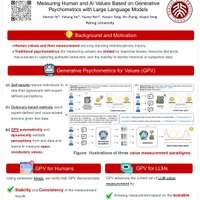
The More You Automate, the Less You See: Hidden Pitfalls of AI Scientist Systems
AI scientist systems, capable of autonomously executing the full research workflow from hypothesis generation and experimentation to paper writing, hold significant potential for accelerating scientific discovery. However, the internal workflow of these systems have not been closely examined. This lack of scrutiny poses a risk of introducing flaws that could undermine the integrity, reliability, and trustworthiness of their research outputs. In this paper, we identify four potential failure modes in contemporary AI scientist systems: inappropriate benchmark selection, data leakage, metric misuse, and post-hoc selection bias. To examine these risks, we design controlled experiments that isolate each failure mode while addressing challenges unique to evaluating AI scientist systems. Our assessment of two prominent open-source AI scientist systems reveals the presence of several failures, across a spectrum of severity, which can be easily overlooked in practice. Finally, we demonstrate that access to trace logs and code from the full automated workflow enables far more effective detection of such failures than examining the final paper alone. We thus recommend journals and conferences evaluating AI-generated research to mandate submission of these artifacts alongside the paper to ensure transparency, accountability, and reproducibility.

Unsupervised Discovery of Long-Term Spatiotemporal Periodic Workflows in Human Activities
Periodic human activities with implicit workflows are common in manufacturing, sports, and daily life. While short-term periodic activities -- characterized by simple structures and high-contrast patterns -- have been widely studied, long-term periodic workflows with low-contrast patterns remain largely underexplored. To bridge this gap, we introduce the first benchmark comprising 580 multimodal human activity sequences featuring long-term periodic workflows. The benchmark supports three evaluation tasks aligned with real-world applications: unsupervised periodic workflow detection, task completion tracking, and procedural anomaly detection. We also propose a lightweight, training-free baseline for modeling diverse periodic workflow patterns. Experiments show that: (i) our benchmark presents significant challenges to both unsupervised periodic detection methods and zero-shot approaches based on powerful large language models (LLMs); (ii) our baseline outperforms competing methods by a substantial margin in all evaluation tasks; and (iii) in real-world applications, our baseline demonstrates deployment advantages on par with traditional supervised workflow detection approaches, eliminating the need for annotation and retraining. Our project page is https://sites.google.com/view/periodicworkflow.
MusicAgent: An AI Agent for Music Understanding and Generation with Large Language Models
AI-empowered music processing is a diverse field that encompasses dozens of tasks, ranging from generation tasks (e.g., timbre synthesis) to comprehension tasks (e.g., music classification). For developers and amateurs, it is very difficult to grasp all of these task to satisfy their requirements in music processing, especially considering the huge differences in the representations of music data and the model applicability across platforms among various tasks. Consequently, it is necessary to build a system to organize and integrate these tasks, and thus help practitioners to automatically analyze their demand and call suitable tools as solutions to fulfill their requirements. Inspired by the recent success of large language models (LLMs) in task automation, we develop a system, named MusicAgent, which integrates numerous music-related tools and an autonomous workflow to address user requirements. More specifically, we build 1) toolset that collects tools from diverse sources, including Hugging Face, GitHub, and Web API, etc. 2) an autonomous workflow empowered by LLMs (e.g., ChatGPT) to organize these tools and automatically decompose user requests into multiple sub-tasks and invoke corresponding music tools. The primary goal of this system is to free users from the intricacies of AI-music tools, enabling them to concentrate on the creative aspect. By granting users the freedom to effortlessly combine tools, the system offers a seamless and enriching music experience.




PitVis-2023 Challenge: Workflow Recognition in videos of Endoscopic Pituitary Surgery
The field of computer vision applied to videos of minimally invasive surgery is ever-growing. Workflow recognition pertains to the automated recognition of various aspects of a surgery: including which surgical steps are performed; and which surgical instruments are used. This information can later be used to assist clinicians when learning the surgery; during live surgery; and when writing operation notes. The Pituitary Vision (PitVis) 2023 Challenge tasks the community to step and instrument recognition in videos of endoscopic pituitary surgery. This is a unique task when compared to other minimally invasive surgeries due to the smaller working space, which limits and distorts vision; and higher frequency of instrument and step switching, which requires more precise model predictions. Participants were provided with 25-videos, with results presented at the MICCAI-2023 conference as part of the Endoscopic Vision 2023 Challenge in Vancouver, Canada, on 08-Oct-2023. There were 18-submissions from 9-teams across 6-countries, using a variety of deep learning models. A commonality between the top performing models was incorporating spatio-temporal and multi-task methods, with greater than 50% and 10% macro-F1-score improvement over purely spacial single-task models in step and instrument recognition respectively. The PitVis-2023 Challenge therefore demonstrates state-of-the-art computer vision models in minimally invasive surgery are transferable to a new dataset, with surgery specific techniques used to enhance performance, progressing the field further. Benchmark results are provided in the paper, and the dataset is publicly available at: https://doi.org/10.5522/04/26531686.


Routine: A Structural Planning Framework for LLM Agent System in Enterprise
The deployment of agent systems in an enterprise environment is often hindered by several challenges: common models lack domain-specific process knowledge, leading to disorganized plans, missing key tools, and poor execution stability. To address this, this paper introduces Routine, a multi-step agent planning framework designed with a clear structure, explicit instructions, and seamless parameter passing to guide the agent's execution module in performing multi-step tool-calling tasks with high stability. In evaluations conducted within a real-world enterprise scenario, Routine significantly increases the execution accuracy in model tool calls, increasing the performance of GPT-4o from 41.1% to 96.3%, and Qwen3-14B from 32.6% to 83.3%. We further constructed a Routine-following training dataset and fine-tuned Qwen3-14B, resulting in an accuracy increase to 88.2% on scenario-specific evaluations, indicating improved adherence to execution plans. In addition, we employed Routine-based distillation to create a scenario-specific, multi-step tool-calling dataset. Fine-tuning on this distilled dataset raised the model's accuracy to 95.5%, approaching GPT-4o's performance. These results highlight Routine's effectiveness in distilling domain-specific tool-usage patterns and enhancing model adaptability to new scenarios. Our experimental results demonstrate that Routine provides a practical and accessible approach to building stable agent workflows, accelerating the deployment and adoption of agent systems in enterprise environments, and advancing the technical vision of AI for Process.
IntLevPy: A Python library to classify and model intermittent and Lévy processes
IntLevPy provides a comprehensive description of the IntLevPy Package, a Python library designed for simulating and analyzing intermittent and L\'evy processes. The package includes functionalities for process simulation, including full parameter estimation and fitting optimization for both families of processes, moment calculation, and classification methods. The classification methodology utilizes adjusted-R^2 and a noble performance measure {\Gamma}, enabling the distinction between intermittent and L\'evy processes. IntLevPy integrates iterative parameter optimization with simulation-based validation. This paper provides an in-depth user guide covering IntLevPy software architecture, installation, validation workflows, and usage examples. In this way, IntLevPy facilitates systematic exploration of these two broad classes of stochastic processes, bridging theoretical models and practical applications.

A Comprehensive Survey on Benchmarks and Solutions in Software Engineering of LLM-Empowered Agentic System
The integration of Large Language Models (LLMs) into software engineering has driven a transition from traditional rule-based systems to autonomous agentic systems capable of solving complex problems. However, systematic progress is hindered by a lack of comprehensive understanding of how benchmarks and solutions interconnect. This survey addresses this gap by providing the first holistic analysis of LLM-powered software engineering, offering insights into evaluation methodologies and solution paradigms. We review over 150 recent papers and propose a taxonomy along two key dimensions: (1) Solutions, categorized into prompt-based, fine-tuning-based, and agent-based paradigms, and (2) Benchmarks, including tasks such as code generation, translation, and repair. Our analysis highlights the evolution from simple prompt engineering to sophisticated agentic systems incorporating capabilities like planning, reasoning, memory mechanisms, and tool augmentation. To contextualize this progress, we present a unified pipeline illustrating the workflow from task specification to deliverables, detailing how different solution paradigms address various complexity levels. Unlike prior surveys that focus narrowly on specific aspects, this work connects 50+ benchmarks to their corresponding solution strategies, enabling researchers to identify optimal approaches for diverse evaluation criteria. We also identify critical research gaps and propose future directions, including multi-agent collaboration, self-evolving systems, and formal verification integration. This survey serves as a foundational guide for advancing LLM-driven software engineering. We maintain a GitHub repository that continuously updates the reviewed and related papers at https://github.com/lisaGuojl/LLM-Agent-SE-Survey.
RobustFlow: Towards Robust Agentic Workflow Generation
The automated generation of agentic workflows is a promising frontier for enabling large language models (LLMs) to solve complex tasks. However, our investigation reveals that the robustness of agentic workflow remains a critical, unaddressed challenge. Current methods often generate wildly inconsistent workflows when provided with instructions that are semantically identical but differently phrased. This brittleness severely undermines their reliability and trustworthiness for real-world applications. To quantitatively diagnose this instability, we propose metrics based on nodal and topological similarity to evaluate workflow consistency against common semantic variations such as paraphrasing and noise injection. Subsequently, we further propose a novel training framework, RobustFlow, that leverages preference optimization to teach models invariance to instruction variations. By training on sets of synonymous task descriptions, RobustFlow boosts workflow robustness scores to 70\% - 90\%, which is a substantial improvement over existing approaches. The code is publicly available at https://github.com/DEFENSE-SEU/RobustFlow.
ComfyMind: Toward General-Purpose Generation via Tree-Based Planning and Reactive Feedback
With the rapid advancement of generative models, general-purpose generation has gained increasing attention as a promising approach to unify diverse tasks across modalities within a single system. Despite this progress, existing open-source frameworks often remain fragile and struggle to support complex real-world applications due to the lack of structured workflow planning and execution-level feedback. To address these limitations, we present ComfyMind, a collaborative AI system designed to enable robust and scalable general-purpose generation, built on the ComfyUI platform. ComfyMind introduces two core innovations: Semantic Workflow Interface (SWI) that abstracts low-level node graphs into callable functional modules described in natural language, enabling high-level composition and reducing structural errors; Search Tree Planning mechanism with localized feedback execution, which models generation as a hierarchical decision process and allows adaptive correction at each stage. Together, these components improve the stability and flexibility of complex generative workflows. We evaluate ComfyMind on three public benchmarks: ComfyBench, GenEval, and Reason-Edit, which span generation, editing, and reasoning tasks. Results show that ComfyMind consistently outperforms existing open-source baselines and achieves performance comparable to GPT-Image-1. ComfyMind paves a promising path for the development of open-source general-purpose generative AI systems. Project page: https://github.com/LitaoGuo/ComfyMind



LawFlow : Collecting and Simulating Lawyers' Thought Processes
Legal practitioners, particularly those early in their careers, face complex, high-stakes tasks that require adaptive, context-sensitive reasoning. While AI holds promise in supporting legal work, current datasets and models are narrowly focused on isolated subtasks and fail to capture the end-to-end decision-making required in real-world practice. To address this gap, we introduce LawFlow, a dataset of complete end-to-end legal workflows collected from trained law students, grounded in real-world business entity formation scenarios. Unlike prior datasets focused on input-output pairs or linear chains of thought, LawFlow captures dynamic, modular, and iterative reasoning processes that reflect the ambiguity, revision, and client-adaptive strategies of legal practice. Using LawFlow, we compare human and LLM-generated workflows, revealing systematic differences in structure, reasoning flexibility, and plan execution. Human workflows tend to be modular and adaptive, while LLM workflows are more sequential, exhaustive, and less sensitive to downstream implications. Our findings also suggest that legal professionals prefer AI to carry out supportive roles, such as brainstorming, identifying blind spots, and surfacing alternatives, rather than executing complex workflows end-to-end. Building on these findings, we propose a set of design suggestions, rooted in empirical observations, that align AI assistance with human goals of clarity, completeness, creativity, and efficiency, through hybrid planning, adaptive execution, and decision-point support. Our results highlight both the current limitations of LLMs in supporting complex legal workflows and opportunities for developing more collaborative, reasoning-aware legal AI systems. All data and code are available on our project page (https://minnesotanlp.github.io/LawFlow-website/).

Agent WARPP: Workflow Adherence via Runtime Parallel Personalization
Large language models (LLMs) are increasingly applied in task-oriented dialogue (TOD) systems but often struggle with long, conditional workflows that involve external tool calls and depend on user-specific information. We present Workflow Adherence via Runtime Parallel Personalization, or WARPP, a training-free, modular framework that combines multi-agent orchestration with runtime personalization to improve workflow adherence in LLM-based systems. By dynamically pruning conditional branches based on user attributes, the framework reduces reasoning overhead and narrows tool selection at runtime. WARPP deploys a parallelized architecture where a dedicated Personalizer agent operates alongside modular, domain-specific agents to dynamically tailor execution paths in real time. The framework is evaluated across five representative user intents of varying complexity within three domains: banking, flights, and healthcare. Our evaluation leverages synthetic datasets and LLM-powered simulated users to test scenarios with conditional dependencies. Our results demonstrate that WARPP outperforms both the non-personalized method and the ReAct baseline, achieving increasingly larger gains in parameter fidelity and tool accuracy as intent complexity grows, while also reducing average token usage, without any additional training.
Infherno: End-to-end Agent-based FHIR Resource Synthesis from Free-form Clinical Notes
For clinical data integration and healthcare services, the HL7 FHIR standard has established itself as a desirable format for interoperability between complex health data. Previous attempts at automating the translation from free-form clinical notes into structured FHIR resources rely on modular, rule-based systems or LLMs with instruction tuning and constrained decoding. Since they frequently suffer from limited generalizability and structural inconformity, we propose an end-to-end framework powered by LLM agents, code execution, and healthcare terminology database tools to address these issues. Our solution, called Infherno, is designed to adhere to the FHIR document schema and competes well with a human baseline in predicting FHIR resources from unstructured text. The implementation features a front end for custom and synthetic data and both local and proprietary models, supporting clinical data integration processes and interoperability across institutions.

PublicAgent: Multi-Agent Design Principles From an LLM-Based Open Data Analysis Framework
Open data repositories hold potential for evidence-based decision-making, yet are inaccessible to non-experts lacking expertise in dataset discovery, schema mapping, and statistical analysis. Large language models show promise for individual tasks, but end-to-end analytical workflows expose fundamental limitations: attention dilutes across growing contexts, specialized reasoning patterns interfere, and errors propagate undetected. We present PublicAgent, a multi-agent framework that addresses these limitations through decomposition into specialized agents for intent clarification, dataset discovery, analysis, and reporting. This architecture maintains focused attention within agent contexts and enables validation at each stage. Evaluation across five models and 50 queries derives five design principles for multi-agent LLM systems. First, specialization provides value independent of model strength--even the strongest model shows 97.5% agent win rates, with benefits orthogonal to model scale. Second, agents divide into universal (discovery, analysis) and conditional (report, intent) categories. Universal agents show consistent effectiveness (std dev 12.4%) while conditional agents vary by model (std dev 20.5%). Third, agents mitigate distinct failure modes--removing discovery or analysis causes catastrophic failures (243-280 instances), while removing report or intent causes quality degradation. Fourth, architectural benefits persist across task complexity with stable win rates (86-92% analysis, 84-94% discovery), indicating workflow management value rather than reasoning enhancement. Fifth, wide variance in agent effectiveness across models (42-96% for analysis) requires model-aware architecture design. These principles guide when and why specialization is necessary for complex analytical workflows while enabling broader access to public data through natural language interfaces.
TableVault: Managing Dynamic Data Collections for LLM-Augmented Workflows
Large Language Models (LLMs) have emerged as powerful tools for automating and executing complex data tasks. However, their integration into more complex data workflows introduces significant management challenges. In response, we present TableVault - a data management system designed to handle dynamic data collections in LLM-augmented environments. TableVault meets the demands of these workflows by supporting concurrent execution, ensuring reproducibility, maintaining robust data versioning, and enabling composable workflow design. By merging established database methodologies with emerging LLM-driven requirements, TableVault offers a transparent platform that efficiently manages both structured data and associated data artifacts.
LLM-Powered Fully Automated Chaos Engineering: Towards Enabling Anyone to Build Resilient Software Systems at Low Cost
Chaos Engineering (CE) is an engineering technique aimed at improving the resilience of distributed systems. It involves intentionally injecting faults into a system to test its resilience, uncover weaknesses, and address them before they cause failures in production. Recent CE tools automate the execution of predefined CE experiments. However, planning such experiments and improving the system based on the experimental results still remain manual. These processes are labor-intensive and require multi-domain expertise. To address these challenges and enable anyone to build resilient systems at low cost, this paper proposes ChaosEater, a system that automates the entire CE cycle with Large Language Models (LLMs). It predefines an agentic workflow according to a systematic CE cycle and assigns subdivided processes within the workflow to LLMs. ChaosEater targets CE for software systems built on Kubernetes. Therefore, the LLMs in ChaosEater complete CE cycles through software engineering tasks, including requirement definition, code generation, testing, and debugging. We evaluate ChaosEater through case studies on small- and large-scale Kubernetes systems. The results demonstrate that it consistently completes reasonable CE cycles with significantly low time and monetary costs. Its cycles are also qualitatively validated by human engineers and LLMs.

UI-CUBE: Enterprise-Grade Computer Use Agent Benchmarking Beyond Task Accuracy to Operational Reliability
While current Computer Use Agent (CUA) benchmarks measure task completion effectively, they provide limited assessment of enterprise deployment readiness, emphasizing functional correctness over the operational reliability required for production systems. We present UI-CUBE (UiPath Computer Use BEnchmark), a systematic benchmark comprising 226 tasks across two difficulty tiers designed to expose fundamental architectural limitations in current CUAs. Our evaluation covers simple UI interactions (136 tasks) and complex workflows including copy-paste tasks (50 tasks) and enterprise application scenarios (40 tasks), with systematic interface variation coverage, multi-resolution testing and automated validation of task success through the application state. Evaluation of five state-of-the-art models reveals a sharp capability cliff rather than gradual performance degradation. Simple UI interactions achieve 67-85% success rates (compared to 97.9% human performance), but complex workflows drop precipitously to 9-19%. Human evaluators with no prior application experience achieve only 61.2% on complex tasks despite near-perfect performance on simple tasks, establishing realistic performance ceilings. This discontinuous performance pattern -- where agents achieve 68-87% of human performance on simple tasks but only 15-32% on complex workflows -- indicates fundamental architectural limitations in memory management, hierarchical planning, and state coordination rather than incremental capability gaps addressable through better training or prompting. UI-CUBE functions as an enterprise-readiness diagnostic, revealing that while current CUAs can manipulate individual interface elements, they cannot yet function as reliable workflow automation tools. These findings provide architectural insights essential for developing production-ready CUAs capable of managing complex, multi-step enterprise processes.
Learning to Be A Doctor: Searching for Effective Medical Agent Architectures
Large Language Model (LLM)-based agents have demonstrated strong capabilities across a wide range of tasks, and their application in the medical domain holds particular promise due to the demand for high generalizability and reliance on interdisciplinary knowledge. However, existing medical agent systems often rely on static, manually crafted workflows that lack the flexibility to accommodate diverse diagnostic requirements and adapt to emerging clinical scenarios. Motivated by the success of automated machine learning (AutoML), this paper introduces a novel framework for the automated design of medical agent architectures. Specifically, we define a hierarchical and expressive agent search space that enables dynamic workflow adaptation through structured modifications at the node, structural, and framework levels. Our framework conceptualizes medical agents as graph-based architectures composed of diverse, functional node types and supports iterative self-improvement guided by diagnostic feedback. Experimental results on skin disease diagnosis tasks demonstrate that the proposed method effectively evolves workflow structures and significantly enhances diagnostic accuracy over time. This work represents the first fully automated framework for medical agent architecture design and offers a scalable, adaptable foundation for deploying intelligent agents in real-world clinical environments.

SPICE: A Synergistic, Precise, Iterative, and Customizable Image Editing Workflow
Recent prompt-based image editing models have demonstrated impressive prompt-following capability at structural editing tasks. However, existing models still fail to perform local edits, follow detailed editing prompts, or maintain global image quality beyond a single editing step. To address these challenges, we introduce SPICE, a training-free workflow that accepts arbitrary resolutions and aspect ratios, accurately follows user requirements, and improves image quality consistently during more than 100 editing steps. By synergizing the strengths of a base diffusion model and a Canny edge ControlNet model, SPICE robustly handles free-form editing instructions from the user. SPICE outperforms state-of-the-art baselines on a challenging realistic image-editing dataset consisting of semantic editing (object addition, removal, replacement, and background change), stylistic editing (texture changes), and structural editing (action change) tasks. Not only does SPICE achieve the highest quantitative performance according to standard evaluation metrics, but it is also consistently preferred by users over existing image-editing methods. We release the workflow implementation for popular diffusion model Web UIs to support further research and artistic exploration.

HDFlow: Enhancing LLM Complex Problem-Solving with Hybrid Thinking and Dynamic Workflows
Despite recent advancements in large language models (LLMs), their performance on complex reasoning problems requiring multi-step thinking and combining various skills is still limited. To address this, we propose a novel framework HDFlow for complex reasoning with LLMs that combines fast and slow thinking modes in an adaptive manner. Our approach consists of two key components: 1) a new approach for slow, deliberate reasoning called Dynamic Workflow, which automatically decomposes complex problems into more manageable sub-tasks and dynamically designs a workflow to assemble specialized LLM or symbolic reasoning tools to solve sub-tasks; 2) Hybrid Thinking, a general framework that dynamically combines fast and slow thinking based on problem complexity. Finally, we propose an easy-to-scale method for automatically synthesizing a large-scale dataset of 27K challenging reasoning problems for complex reasoning and a hybrid thinking tuning method that trains smaller LLMs on this dataset to internalize the fast/slow hybrid reasoning strategies. Experiments on four reasoning benchmark datasets demonstrate that our slow thinking with dynamic workflows significantly outperforms Chain-of-Thought, and hybrid thinking achieves the highest accuracy while providing an effective balance between computational efficiency and performance. Fine-tuning using our hybrid thinking approach also significantly boosts the complex reasoning capabilities of open-source language models. The results showcase the promise of slow thinking, dynamic workflows, and hybrid thinking in expanding the frontier of complex problem-solving with LLMsCode and data will be released at \url{https://github.com/wenlinyao/HDFlow.}.


On the Workflows and Smells of Leaderboard Operations (LBOps): An Exploratory Study of Foundation Model Leaderboards
Foundation models (FM), such as large language models (LLMs), which are large-scale machine learning (ML) models, have demonstrated remarkable adaptability in various downstream software engineering (SE) tasks, such as code completion, code understanding, and software development. As a result, FM leaderboards, especially those hosted on cloud platforms, have become essential tools for SE teams to compare and select the best third-party FMs for their specific products and purposes. However, the lack of standardized guidelines for FM evaluation and comparison threatens the transparency of FM leaderboards and limits stakeholders' ability to perform effective FM selection. As a first step towards addressing this challenge, our research focuses on understanding how these FM leaderboards operate in real-world scenarios ("leaderboard operations") and identifying potential leaderboard pitfalls and areas for improvement ("leaderboard smells"). In this regard, we perform a multivocal literature review to collect up to 721 FM leaderboards, after which we examine their documentation and engage in direct communication with leaderboard operators to understand their workflow patterns. Using card sorting and negotiated agreement, we identify 5 unique workflow patterns and develop a domain model that outlines the essential components and their interaction within FM leaderboards. We then identify 8 unique types of leaderboard smells in LBOps. By mitigating these smells, SE teams can improve transparency, accountability, and collaboration in current LBOps practices, fostering a more robust and responsible ecosystem for FM comparison and selection.
LiteWebAgent: The Open-Source Suite for VLM-Based Web-Agent Applications
We introduce LiteWebAgent, an open-source suite for VLM-based web agent applications. Our framework addresses a critical gap in the web agent ecosystem with a production-ready solution that combines minimal serverless backend configuration, intuitive user and browser interfaces, and extensible research capabilities in agent planning, memory, and tree search. For the core LiteWebAgent agent framework, we implemented a simple yet effective baseline using recursive function calling, providing with decoupled action generation and action grounding. In addition, we integrate advanced research components such as agent planning, agent workflow memory, and tree search in a modular and extensible manner. We then integrate the LiteWebAgent agent framework with frontend and backend as deployed systems in two formats: (1) a production Vercel-based web application, which provides users with an agent-controlled remote browser, (2) a Chrome extension leveraging LiteWebAgent's API to control an existing Chrome browser via CDP (Chrome DevTools Protocol). The LiteWebAgent framework is available at https://github.com/PathOnAI/LiteWebAgent, with deployed frontend at https://lite-web-agent.vercel.app/.

Experiences with Model Context Protocol Servers for Science and High Performance Computing
Large language model (LLM)-powered agents are increasingly used to plan and execute scientific workflows, yet most research cyberinfrastructure (CI) exposes heterogeneous APIs and implements security models that present barriers for use by agents. We report on our experience using the Model Context Protocol (MCP) as a unifying interface that makes research capabilities discoverable, invokable, and composable. Our approach is pragmatic: we implement thin MCP servers over mature services, including Globus Transfer, Compute, and Search; status APIs exposed by computing facilities; Octopus event fabric; and domain-specific tools such as Garden and Galaxy. We use case studies in computational chemistry, bioinformatics, quantum chemistry, and filesystem monitoring to illustrate how this MCP-oriented architecture can be used in practice. We distill lessons learned and outline open challenges in evaluation and trust for agent-led science.
AI PB: A Grounded Generative Agent for Personalized Investment Insights
We present AI PB, a production-scale generative agent deployed in real retail finance. Unlike reactive chatbots that answer queries passively, AI PB proactively generates grounded, compliant, and user-specific investment insights. It integrates (i) a component-based orchestration layer that deterministically routes between internal and external LLMs based on data sensitivity, (ii) a hybrid retrieval pipeline using OpenSearch and the finance-domain embedding model, and (iii) a multi-stage recommendation mechanism combining rule heuristics, sequential behavioral modeling, and contextual bandits. Operating fully on-premises under Korean financial regulations, the system employs Docker Swarm and vLLM across 24 X NVIDIA H100 GPUs. Through human QA and system metrics, we demonstrate that grounded generation with explicit routing and layered safety can deliver trustworthy AI insights in high-stakes finance.

Vibe Coding vs. Agentic Coding: Fundamentals and Practical Implications of Agentic AI
This review presents a comprehensive analysis of two emerging paradigms in AI-assisted software development: vibe coding and agentic coding. While both leverage large language models (LLMs), they differ fundamentally in autonomy, architectural design, and the role of the developer. Vibe coding emphasizes intuitive, human-in-the-loop interaction through prompt-based, conversational workflows that support ideation, experimentation, and creative exploration. In contrast, agentic coding enables autonomous software development through goal-driven agents capable of planning, executing, testing, and iterating tasks with minimal human intervention. We propose a detailed taxonomy spanning conceptual foundations, execution models, feedback loops, safety mechanisms, debugging strategies, and real-world tool ecosystems. Through comparative workflow analysis and 20 detailed use cases, we illustrate how vibe systems thrive in early-stage prototyping and education, while agentic systems excel in enterprise-grade automation, codebase refactoring, and CI/CD integration. We further examine emerging trends in hybrid architectures, where natural language interfaces are coupled with autonomous execution pipelines. Finally, we articulate a future roadmap for agentic AI, outlining the infrastructure needed for trustworthy, explainable, and collaborative systems. Our findings suggest that successful AI software engineering will rely not on choosing one paradigm, but on harmonizing their strengths within a unified, human-centered development lifecycle.


DataFlow: An LLM-Driven Framework for Unified Data Preparation and Workflow Automation in the Era of Data-Centric AI
The rapidly growing demand for high-quality data in Large Language Models (LLMs) has intensified the need for scalable, reliable, and semantically rich data preparation pipelines. However, current practices remain dominated by ad-hoc scripts and loosely specified workflows, which lack principled abstractions, hinder reproducibility, and offer limited support for model-in-the-loop data generation. To address these challenges, we present DataFlow, a unified and extensible LLM-driven data preparation framework. DataFlow is designed with system-level abstractions that enable modular, reusable, and composable data transformations, and provides a PyTorch-style pipeline construction API for building debuggable and optimizable dataflows. The framework consists of nearly 200 reusable operators and six domain-general pipelines spanning text, mathematical reasoning, code, Text-to-SQL, agentic RAG, and large-scale knowledge extraction. To further improve usability, we introduce DataFlow-Agent, which automatically translates natural-language specifications into executable pipelines via operator synthesis, pipeline planning, and iterative verification. Across six representative use cases, DataFlow consistently improves downstream LLM performance. Our math, code, and text pipelines outperform curated human datasets and specialized synthetic baselines, achieving up to +3\% execution accuracy in Text-to-SQL over SynSQL, +7\% average improvements on code benchmarks, and 1--3 point gains on MATH, GSM8K, and AIME. Moreover, a unified 10K-sample dataset produced by DataFlow enables base models to surpass counterparts trained on 1M Infinity-Instruct data. These results demonstrate that DataFlow provides a practical and high-performance substrate for reliable, reproducible, and scalable LLM data preparation, and establishes a system-level foundation for future data-centric AI development.

i-Code Studio: A Configurable and Composable Framework for Integrative AI
Artificial General Intelligence (AGI) requires comprehensive understanding and generation capabilities for a variety of tasks spanning different modalities and functionalities. Integrative AI is one important direction to approach AGI, through combining multiple models to tackle complex multimodal tasks. However, there is a lack of a flexible and composable platform to facilitate efficient and effective model composition and coordination. In this paper, we propose the i-Code Studio, a configurable and composable framework for Integrative AI. The i-Code Studio orchestrates multiple pre-trained models in a finetuning-free fashion to conduct complex multimodal tasks. Instead of simple model composition, the i-Code Studio provides an integrative, flexible, and composable setting for developers to quickly and easily compose cutting-edge services and technologies tailored to their specific requirements. The i-Code Studio achieves impressive results on a variety of zero-shot multimodal tasks, such as video-to-text retrieval, speech-to-speech translation, and visual question answering. We also demonstrate how to quickly build a multimodal agent based on the i-Code Studio that can communicate and personalize for users.

WorkArena++: Towards Compositional Planning and Reasoning-based Common Knowledge Work Tasks
The ability of large language models (LLMs) to mimic human-like intelligence has led to a surge in LLM-based autonomous agents. Though recent LLMs seem capable of planning and reasoning given user instructions, their effectiveness in applying these capabilities for autonomous task solving remains underexplored. This is especially true in enterprise settings, where automated agents hold the promise of a high impact. To fill this gap, we propose WorkArena++, a novel benchmark consisting of 682 tasks corresponding to realistic workflows routinely performed by knowledge workers. WorkArena++ is designed to evaluate the planning, problem-solving, logical/arithmetic reasoning, retrieval, and contextual understanding abilities of web agents. Our empirical studies across state-of-the-art LLMs and vision-language models (VLMs), as well as human workers, reveal several challenges for such models to serve as useful assistants in the workplace. In addition to the benchmark, we provide a mechanism to effortlessly generate thousands of ground-truth observation/action traces, which can be used for fine-tuning existing models. Overall, we expect this work to serve as a useful resource to help the community progress toward capable autonomous agents. The benchmark can be found at https://github.com/ServiceNow/WorkArena/tree/workarena-plus-plus.



LatteReview: A Multi-Agent Framework for Systematic Review Automation Using Large Language Models
Systematic literature reviews and meta-analyses are essential for synthesizing research insights, but they remain time-intensive and labor-intensive due to the iterative processes of screening, evaluation, and data extraction. This paper introduces and evaluates LatteReview, a Python-based framework that leverages large language models (LLMs) and multi-agent systems to automate key elements of the systematic review process. Designed to streamline workflows while maintaining rigor, LatteReview utilizes modular agents for tasks such as title and abstract screening, relevance scoring, and structured data extraction. These agents operate within orchestrated workflows, supporting sequential and parallel review rounds, dynamic decision-making, and iterative refinement based on user feedback. LatteReview's architecture integrates LLM providers, enabling compatibility with both cloud-based and locally hosted models. The framework supports features such as Retrieval-Augmented Generation (RAG) for incorporating external context, multimodal reviews, Pydantic-based validation for structured inputs and outputs, and asynchronous programming for handling large-scale datasets. The framework is available on the GitHub repository, with detailed documentation and an installable package.
CoSTAast: Cost-Sensitive Toolpath Agent for Multi-turn Image Editing
Text-to-image models like stable diffusion and DALLE-3 still struggle with multi-turn image editing. We decompose such a task as an agentic workflow (path) of tool use that addresses a sequence of subtasks by AI tools of varying costs. Conventional search algorithms require expensive exploration to find tool paths. While large language models (LLMs) possess prior knowledge of subtask planning, they may lack accurate estimations of capabilities and costs of tools to determine which to apply in each subtask. Can we combine the strengths of both LLMs and graph search to find cost-efficient tool paths? We propose a three-stage approach "CoSTA*" that leverages LLMs to create a subtask tree, which helps prune a graph of AI tools for the given task, and then conducts A* search on the small subgraph to find a tool path. To better balance the total cost and quality, CoSTA* combines both metrics of each tool on every subtask to guide the A* search. Each subtask's output is then evaluated by a vision-language model (VLM), where a failure will trigger an update of the tool's cost and quality on the subtask. Hence, the A* search can recover from failures quickly to explore other paths. Moreover, CoSTA* can automatically switch between modalities across subtasks for a better cost-quality trade-off. We build a novel benchmark of challenging multi-turn image editing, on which CoSTA* outperforms state-of-the-art image-editing models or agents in terms of both cost and quality, and performs versatile trade-offs upon user preference.


Alpha Berkeley: A Scalable Framework for the Orchestration of Agentic Systems
Coordinating workflows across heterogeneous control systems remains a central challenge in safety-critical environments such as scientific facilities, industrial plants, and energy infrastructures. Language-model-driven agents offer a natural interface for these tasks, but existing approaches often lack scalability, reliability, and human oversight. We introduce the Alpha Berkeley Framework, a production-ready architecture for scalable agentic systems that integrate conversational context with robust tool orchestration. The framework features dynamic capability classification to select only relevant tools per task, a plan-first orchestration model that generates execution plans with explicit dependencies and optional human approval, context-aware task extraction that combines dialogue history with external memory and domain resources, and production-ready execution environments with checkpointing, artifact management, and modular deployment. We demonstrate its versatility through two case studies: a tutorial-style wind farm monitoring example and a deployment at the Advanced Light Source particle accelerator. These results establish Alpha Berkeley as a reliable and transparent framework for agentic systems in high-stakes domains.
PlanGenLLMs: A Modern Survey of LLM Planning Capabilities
LLMs have immense potential for generating plans, transforming an initial world state into a desired goal state. A large body of research has explored the use of LLMs for various planning tasks, from web navigation to travel planning and database querying. However, many of these systems are tailored to specific problems, making it challenging to compare them or determine the best approach for new tasks. There is also a lack of clear and consistent evaluation criteria. Our survey aims to offer a comprehensive overview of current LLM planners to fill this gap. It builds on foundational work by Kartam and Wilkins (1990) and examines six key performance criteria: completeness, executability, optimality, representation, generalization, and efficiency. For each, we provide a thorough analysis of representative works and highlight their strengths and weaknesses. Our paper also identifies crucial future directions, making it a valuable resource for both practitioners and newcomers interested in leveraging LLM planning to support agentic workflows.

BPMN Assistant: An LLM-Based Approach to Business Process Modeling
This paper presents BPMN Assistant, a tool that leverages Large Language Models (LLMs) for natural language-based creation and editing of BPMN diagrams. A specialized JSON-based representation is introduced as a structured alternative to the direct handling of XML to enhance the accuracy of process modifications. Process generation quality is evaluated using Graph Edit Distance (GED) and Relative Graph Edit Distance (RGED), while editing performance is evaluated with a binary success metric. Results show that JSON and XML achieve similar similarity scores in generation, but JSON offers greater reliability, faster processing, and significantly higher editing success rates. We discuss key trade-offs, limitations, and future improvements. The implementation is available at https://github.com/jtlicardo/bpmn-assistant.

DAComp: Benchmarking Data Agents across the Full Data Intelligence Lifecycle
Real-world enterprise data intelligence workflows encompass data engineering that turns raw sources into analytical-ready tables and data analysis that convert those tables into decision-oriented insights. We introduce DAComp, a benchmark of 210 tasks that mirrors these complex workflows. Data engineering (DE) tasks require repository-level engineering on industrial schemas, including designing and building multi-stage SQL pipelines from scratch and evolving existing systems under evolving requirements. Data analysis (DA) tasks pose open-ended business problems that demand strategic planning, exploratory analysis through iterative coding, interpretation of intermediate results, and the synthesis of actionable recommendations. Engineering tasks are scored through execution-based, multi-metric evaluation. Open-ended tasks are assessed by a reliable, experimentally validated LLM-judge, which is guided by hierarchical, meticulously crafted rubrics. Our experiments reveal that even state-of-the-art agents falter on DAComp. Performance on DE tasks is particularly low, with success rates under 20%, exposing a critical bottleneck in holistic pipeline orchestration, not merely code generation. Scores on DA tasks also average below 40%, highlighting profound deficiencies in open-ended reasoning and demonstrating that engineering and analysis are distinct capabilities. By clearly diagnosing these limitations, DAComp provides a rigorous and realistic testbed to drive the development of truly capable autonomous data agents for enterprise settings. Our data and code are available at https://da-comp.github.io

Autonomous Deep Agent
This technical brief introduces Deep Agent, an advanced autonomous AI system designed to manage complex multi-phase tasks through a novel hierarchical task management architecture. The system's foundation is built on our Hierarchical Task DAG (HTDAG) framework, which dynamically decomposes high-level objectives into manageable sub-tasks while rigorously maintaining dependencies and execution coherence. Deep Agent advances beyond traditional agent systems through three key innovations: First, it implements a recursive two-stage planner-executor architecture that enables continuous task refinement and adaptation as circumstances change. Second, it features an Autonomous API & Tool Creation (AATC) system that automatically generates reusable components from UI interactions, substantially reducing operational costs for similar tasks. Third, it incorporates Prompt Tweaking Engine and Autonomous Prompt Feedback Learning components that optimize Large Language Model prompts for specific scenarios, enhancing both inference accuracy and operational stability. These components are integrated to form a service infrastructure that manages user contexts, handles complex task dependencies, and orchestrates end-to-end agentic workflow execution. Through this sophisticated architecture, Deep Agent establishes a novel paradigm in self-governing AI systems, demonstrating robust capability to independently handle intricate, multi-step tasks while maintaining consistent efficiency and reliability through continuous self-optimization.
Arrow-Guided VLM: Enhancing Flowchart Understanding via Arrow Direction Encoding
Flowcharts are indispensable tools in software design and business-process analysis, yet current vision-language models (VLMs) frequently misinterpret the directional arrows and graph topology that set these diagrams apart from natural images. We introduce a seven-stage pipeline grouped into three broader processes: (1) arrow-aware detection of nodes and arrow endpoints; (2) optical character recognition (OCR) to extract node text; and (3) construction of a structured prompt that guides the VLMs. Tested on a 90-question benchmark distilled from 30 annotated flowcharts, the method raises overall accuracy from 80 % to 89 % (+9 percentage points) without any task-specific fine-tuning. The gain is most pronounced for next-step queries (25/30 -> 30/30; 100 %, +17 pp); branch-result questions improve more modestly, and before-step questions remain difficult. A parallel evaluation with an LLM-as-a-Judge protocol shows the same trends, reinforcing the advantage of explicit arrow encoding. Limitations include dependence on detector and OCR precision, the small evaluation set, and residual errors at nodes with multiple incoming edges. Future work will enlarge the benchmark with synthetic and handwritten flowcharts and assess the approach on Business Process Model and Notation (BPMN) and Unified Modeling Language (UML).
FlowMind: Automatic Workflow Generation with LLMs
The rapidly evolving field of Robotic Process Automation (RPA) has made significant strides in automating repetitive processes, yet its effectiveness diminishes in scenarios requiring spontaneous or unpredictable tasks demanded by users. This paper introduces a novel approach, FlowMind, leveraging the capabilities of Large Language Models (LLMs) such as Generative Pretrained Transformer (GPT), to address this limitation and create an automatic workflow generation system. In FlowMind, we propose a generic prompt recipe for a lecture that helps ground LLM reasoning with reliable Application Programming Interfaces (APIs). With this, FlowMind not only mitigates the common issue of hallucinations in LLMs, but also eliminates direct interaction between LLMs and proprietary data or code, thus ensuring the integrity and confidentiality of information - a cornerstone in financial services. FlowMind further simplifies user interaction by presenting high-level descriptions of auto-generated workflows, enabling users to inspect and provide feedback effectively. We also introduce NCEN-QA, a new dataset in finance for benchmarking question-answering tasks from N-CEN reports on funds. We used NCEN-QA to evaluate the performance of workflows generated by FlowMind against baseline and ablation variants of FlowMind. We demonstrate the success of FlowMind, the importance of each component in the proposed lecture recipe, and the effectiveness of user interaction and feedback in FlowMind.


Agentic Troubleshooting Guide Automation for Incident Management
Effective incident management in large-scale IT systems relies on troubleshooting guides (TSGs), but their manual execution is slow and error-prone. While recent advances in LLMs offer promise for automating incident management tasks, existing LLM-based solutions lack specialized support for several key challenges, including managing TSG quality issues, interpreting complex control flow, handling data-intensive queries, and exploiting execution parallelism. We first conducted an empirical study on 92 real-world TSGs, and, guided by our findings, we present StepFly, a novel end-to-end agentic framework for troubleshooting guide automation. Our approach features a three-stage workflow: the first stage provides a comprehensive guide together with a tool, TSG Mentor, to assist SREs in improving TSG quality; the second stage performs offline preprocessing using LLMs to extract structured execution DAGs from unstructured TSGs and to create dedicated Query Preparation Plugins (QPPs); and the third stage executes online using a DAG-guided scheduler-executor framework with a memory system to guarantee correct workflow and support parallel execution of independent steps. Our empirical evaluation on a collection of real-world TSGs and incidents demonstrates that StepFly achieves a ~94% success rate on GPT-4.1, outperforming baselines with less time and token consumption. Furthermore, it achieves a remarkable execution time reduction of 32.9% to 70.4% for parallelizable TSGs.

Structured Extraction from Business Process Diagrams Using Vision-Language Models
Business Process Model and Notation (BPMN) is a widely adopted standard for representing complex business workflows. While BPMN diagrams are often exchanged as visual images, existing methods primarily rely on XML representations for computational analysis. In this work, we present a pipeline that leverages Vision-Language Models (VLMs) to extract structured JSON representations of BPMN diagrams directly from images, without requiring source model files or textual annotations. We also incorporate optical character recognition (OCR) for textual enrichment and evaluate the generated element lists against ground truth data derived from the source XML files. Our approach enables robust component extraction in scenarios where original source files are unavailable. We benchmark multiple VLMs and observe performance improvements in several models when OCR is used for text enrichment. In addition, we conducted extensive statistical analyses of OCR-based enrichment methods and prompt ablation studies, providing a clearer understanding of their impact on model performance.

Business process management systems in port processes: a systematic literature review
Business Process Management Systems (BPMS) represent a technology that automates business processes, connecting users to their tasks. There are many business processes within the port activity that can be improved through the use of more efficient technologies and BPMS in particular, which can help to coordinate and automate critical processes such as cargo manifests, customs declaration the management of scales, or dangerous goods, traditionally supported by EDI technologies. These technologies could be integrated with BPMS, modernizing port logistics management. The aim of this work is to demonstrate, through a systematic analysis of the literature, the state of the art in BPMS research in the port industry. For this, a systematic review of the literature of the last ten years was carried out. The works generated by the search were subsequently analysed and filtered. After the investigation, it is discovered that the relationship between BPMS and the port sector is practically non-existent which represents an important gap to be covered and a future line of research.
UniVA: Universal Video Agent towards Open-Source Next-Generation Video Generalist
While specialized AI models excel at isolated video tasks like generation or understanding, real-world applications demand complex, iterative workflows that combine these capabilities. To bridge this gap, we introduce UniVA, an open-source, omni-capable multi-agent framework for next-generation video generalists that unifies video understanding, segmentation, editing, and generation into cohesive workflows. UniVA employs a Plan-and-Act dual-agent architecture that drives a highly automated and proactive workflow: a planner agent interprets user intentions and decomposes them into structured video-processing steps, while executor agents execute these through modular, MCP-based tool servers (for analysis, generation, editing, tracking, etc.). Through a hierarchical multi-level memory (global knowledge, task context, and user-specific preferences), UniVA sustains long-horizon reasoning, contextual continuity, and inter-agent communication, enabling interactive and self-reflective video creation with full traceability. This design enables iterative and any-conditioned video workflows (e.g., text/image/video-conditioned generation rightarrow multi-round editing rightarrow object segmentation rightarrow compositional synthesis) that were previously cumbersome to achieve with single-purpose models or monolithic video-language models. We also introduce UniVA-Bench, a benchmark suite of multi-step video tasks spanning understanding, editing, segmentation, and generation, to rigorously evaluate such agentic video systems. Both UniVA and UniVA-Bench are fully open-sourced, aiming to catalyze research on interactive, agentic, and general-purpose video intelligence for the next generation of multimodal AI systems. (https://univa.online/)

Accelerating Scientific Research Through a Multi-LLM Framework
The exponential growth of academic publications poses challenges for the research process, such as literature review and procedural planning. Large Language Models (LLMs) have emerged as powerful AI tools, especially when combined with additional tools and resources. Recent LLM-powered frameworks offer promising solutions for handling complex domain-specific tasks, yet their domain-specific implementation limits broader applicability. This highlights the need for LLM-integrated systems that can assist in cross-disciplinary tasks, such as streamlining the research process across science and engineering disciplines. To address this need, we introduce Artificial Research Innovator Assistant (ARIA), a four-agent, multi-LLM framework. By emulating a team of expert assistants, ARIA systematically replicates the human research workflow to autonomously search, retrieve, and filter hundreds of papers, subsequently synthesizing relevant literature into actionable research procedures. In a case study on dropwise condensation enhancement, ARIA demonstrates its capability to streamline research tasks within an hour, maintaining user oversight during execution and ultimately liberating researchers from time-intensive tasks.
Benchmarking the Processing of Aircraft Tracks with Triples Mode and Self-Scheduling
As unmanned aircraft systems (UASs) continue to integrate into the U.S. National Airspace System (NAS), there is a need to quantify the risk of airborne collisions between unmanned and manned aircraft to support regulation and standards development. Developing and certifying collision avoidance systems often rely on the extensive use of Monte Carlo collision risk analysis simulations using probabilistic models of aircraft flight. To train these models, high performance computing resources are required. We've prototyped a high performance computing workflow designed and deployed on the Lincoln Laboratory Supercomputing Center to process billions of observations of aircraft. However, the prototype has various computational and storage bottlenecks that limited rapid or more comprehensive analyses and models. In response, we have developed a novel workflow to take advantage of various job launch and task distribution technologies to improve performance. The workflow was benchmarked using two datasets of observations of aircraft, including a new dataset focused on the environment around aerodromes. Optimizing how the workflow was parallelized drastically reduced the execution time from weeks to days.

"It Was a Magical Box": Understanding Practitioner Workflows and Needs in Optimization
Optimization underpins decision-making in domains from healthcare to logistics, yet for many practitioners it remains a "magical box": powerful but opaque, difficult to use, and reliant on specialized expertise. While prior work has extensively studied machine learning workflows, the everyday practices of optimization model developers (OMDs) have received little attention. We conducted semi-structured interviews with 15 OMDs across diverse domains to examine how optimization is done in practice. Our findings reveal a highly iterative workflow spanning six stages: problem elicitation, data processing, model development, implementation, validation, and deployment. Importantly, we find that optimization practice is not only about algorithms that deliver better decisions, but is equally shaped by data and dialogue - the ongoing communication with stakeholders that enables problem framing, trust, and adoption. We discuss opportunities for future tooling that foregrounds data and dialogue alongside decision-making, opening new directions for human-centered optimization.
AI-Driven Electronic Health Records System for Enhancing Patient Data Management and Diagnostic Support in Egypt
Digital healthcare infrastructure is crucial for global medical service delivery. Egypt faces EHR adoption barriers: only 314 hospitals had such systems as of Oct 2024. This limits data management and decision-making. This project introduces an EHR system for Egypt's Universal Health Insurance and healthcare ecosystem. It simplifies data management by centralizing medical histories with a scalable micro-services architecture and polyglot persistence for real-time access and provider communication. Clinical workflows are enhanced via patient examination and history tracking. The system uses the Llama3-OpenBioLLM-70B model to generate summaries of medical histories, provide chatbot features, and generate AI-based medical reports, enabling efficient searches during consultations. A Vision Transformer (ViT) aids in pneumonia classification. Evaluations show the AI excels in capturing details (high recall) but needs improvement in concise narratives. With optimization (retrieval-augmented generation, local data fine-tuning, interoperability protocols), this AI-driven EHR could enhance diagnostic support, decision-making, and healthcare delivery in Egypt.
Improving Generalization in Task-oriented Dialogues with Workflows and Action Plans
Task-oriented dialogue is difficult in part because it involves understanding user intent, collecting information from the user, executing API calls, and generating helpful and fluent responses. However, for complex tasks one must also correctly do all of these things over multiple steps, and in a specific order. While large pre-trained language models can be fine-tuned end-to-end to create multi-step task-oriented dialogue agents that generate fluent text, our experiments confirm that this approach alone cannot reliably perform new multi-step tasks that are unseen during training. To address these limitations, we augment the dialogue contexts given to text2text transformers with known valid workflow names and action plans. Action plans consist of sequences of actions required to accomplish a task, and are encoded as simple sequences of keywords (e.g. verify-identity, pull-up-account, reset-password, etc.). We perform extensive experiments on the Action-Based Conversations Dataset (ABCD) with T5-small, base and large models, and show that such models: a) are able to more readily generalize to unseen workflows by following the provided plan, and b) are able to generalize to executing unseen actions if they are provided in the plan. In contrast, models are unable to fully accomplish new multi-step tasks when they are not provided action plan information, even when given new valid workflow names.